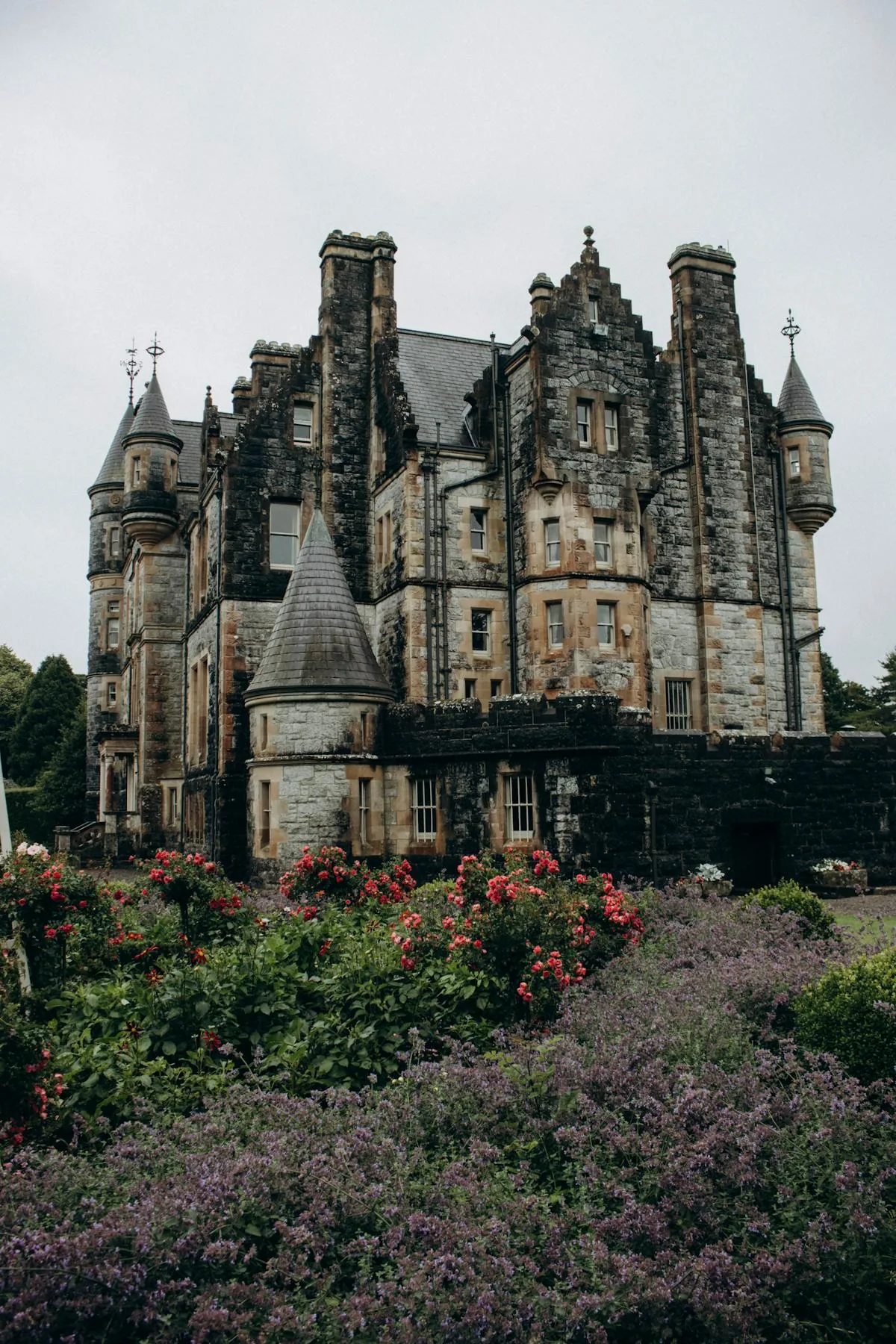
Irish History
Newgrange to independence — 5,000 years
5,000 years in one guide →
A meaning hub: Claddagh and Celtic jewelry, plus blessings, Ogham, whiskey, and the stories behind them.
We explain what Irish symbols mean — not what to buy. The Claddagh is our starting point: love, loyalty, and friendship from a fishing village in Galway. From there, we cover Celtic knots and crosses, the Tree of Life, Ogham, blessings, whiskey, recipes, and 12 heritage trails from the Wild Atlantic Way to Croagh Patrick. Everything is sourced from museums, academic references, and the people who grew up with these traditions.

Seven quick questions match you to a Celtic symbol — Claddagh, Harp, Shamrock, and more.
Take the Heritage Quiz →
The Claddagh ring comes from a fishing village in Galway. Heart for love, crown for loyalty, hands for friendship — that's the short version. The long version involves a kidnapped goldsmith named Richard Joyce, a 400-year tradition, and a ring that tells people whether you're taken or not depending on which way you wear it.
Celtic symbols don't just look good — they carry weight. The knot has no start and no end (that's the point). The Trinity Knot is earth, sea, and sky. The cross at Monasterboice has stood since the 10th century. The triskele was carved at Newgrange around 3200 BCE, five hundred years before the Pyramids. These guides explain what each one actually means.
Ireland has more than 3,000 castle sites — Norman keeps, Gaelic tower houses, and cliff-edge ruins. From the Blarney Stone to the Rock of Cashel, these are the fortresses that shaped Irish history.
Ireland's heritage runs deeper than most countries ten times its size. Newgrange is older than Stonehenge. The Book of Kells survived Viking raids. Ogham is a script carved into stone using lines and notches. These guides cover Irish history, mythology, the Irish language, blessings, weddings, and the roots behind every symbol on this site.
Newgrange to independence — 5,000 years
5,000 years in one guide →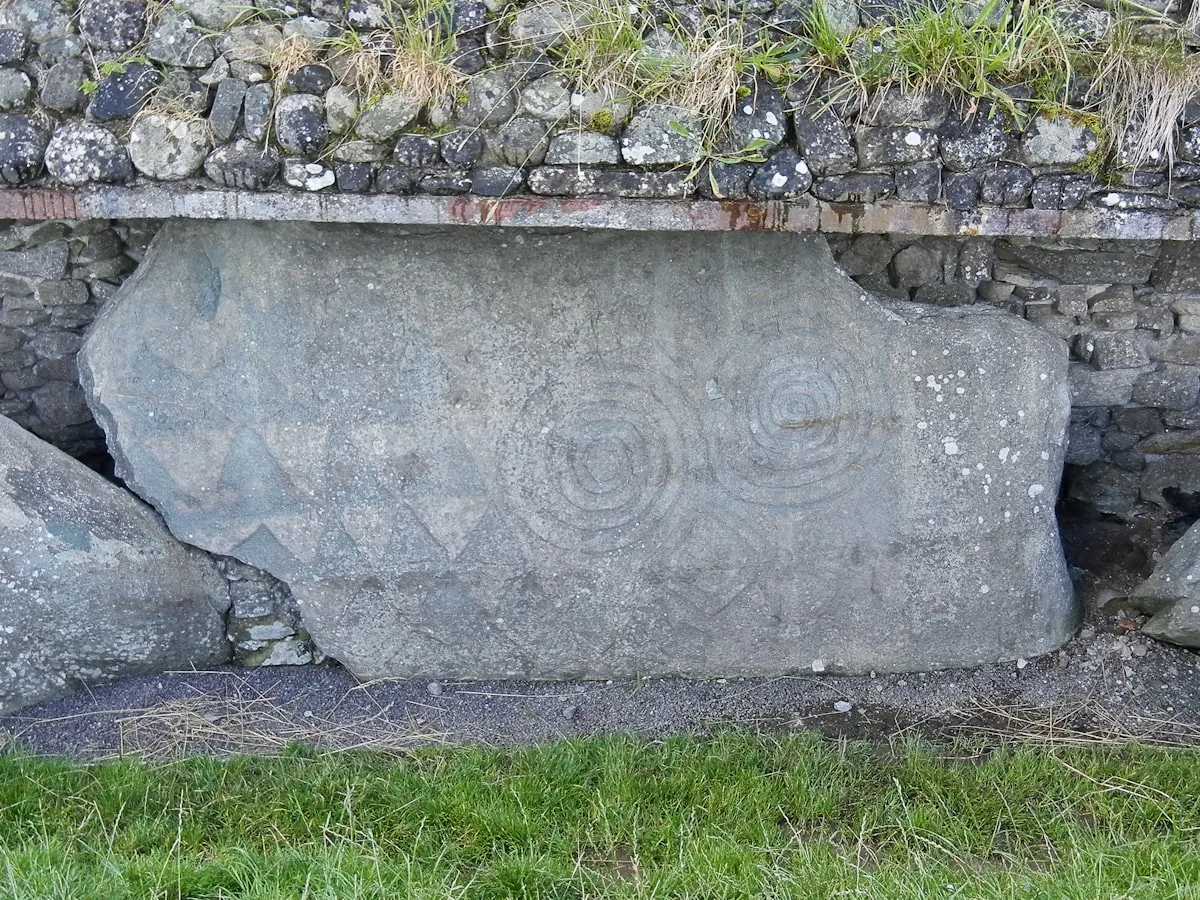
Cu Chulainn, the Tuatha De Danann & the Morrigan
The old gods and heroes →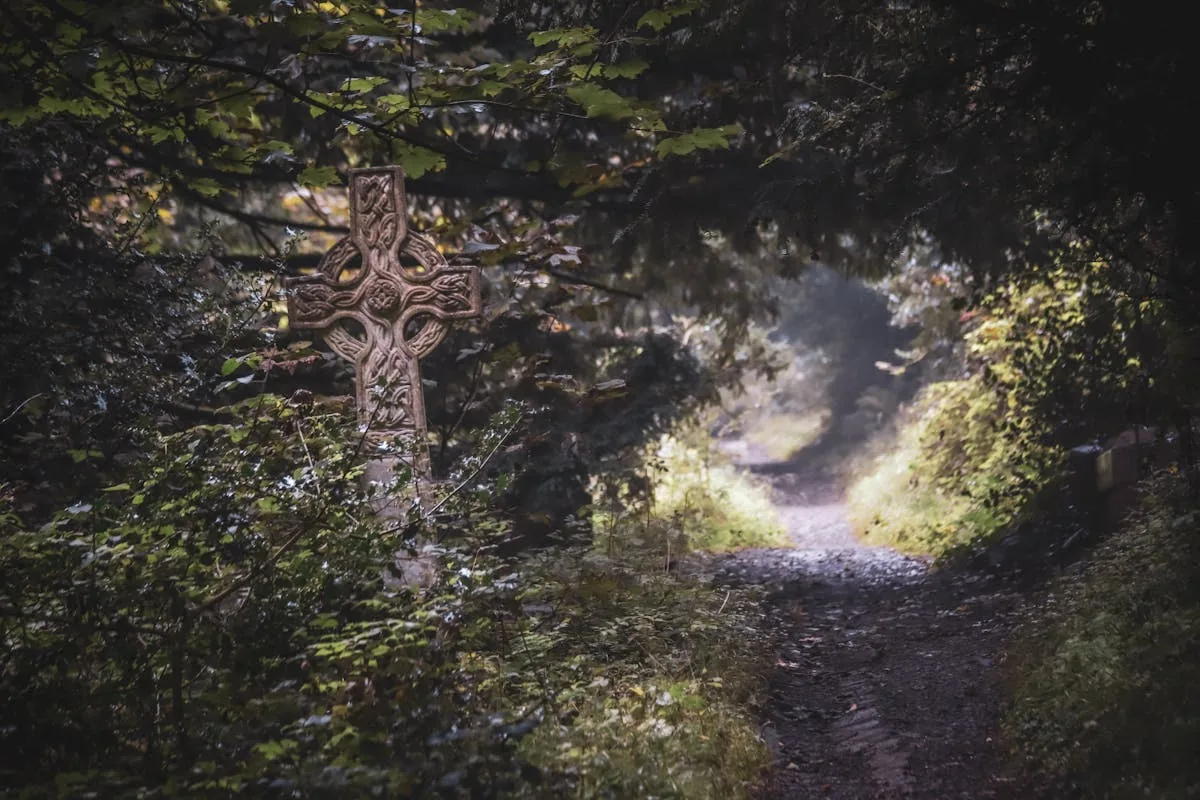
Gaeilge phrases, pronunciation & the Gaeltacht
A few words of Gaeilge →
May the road rise — the words and when to use them
May the road rise →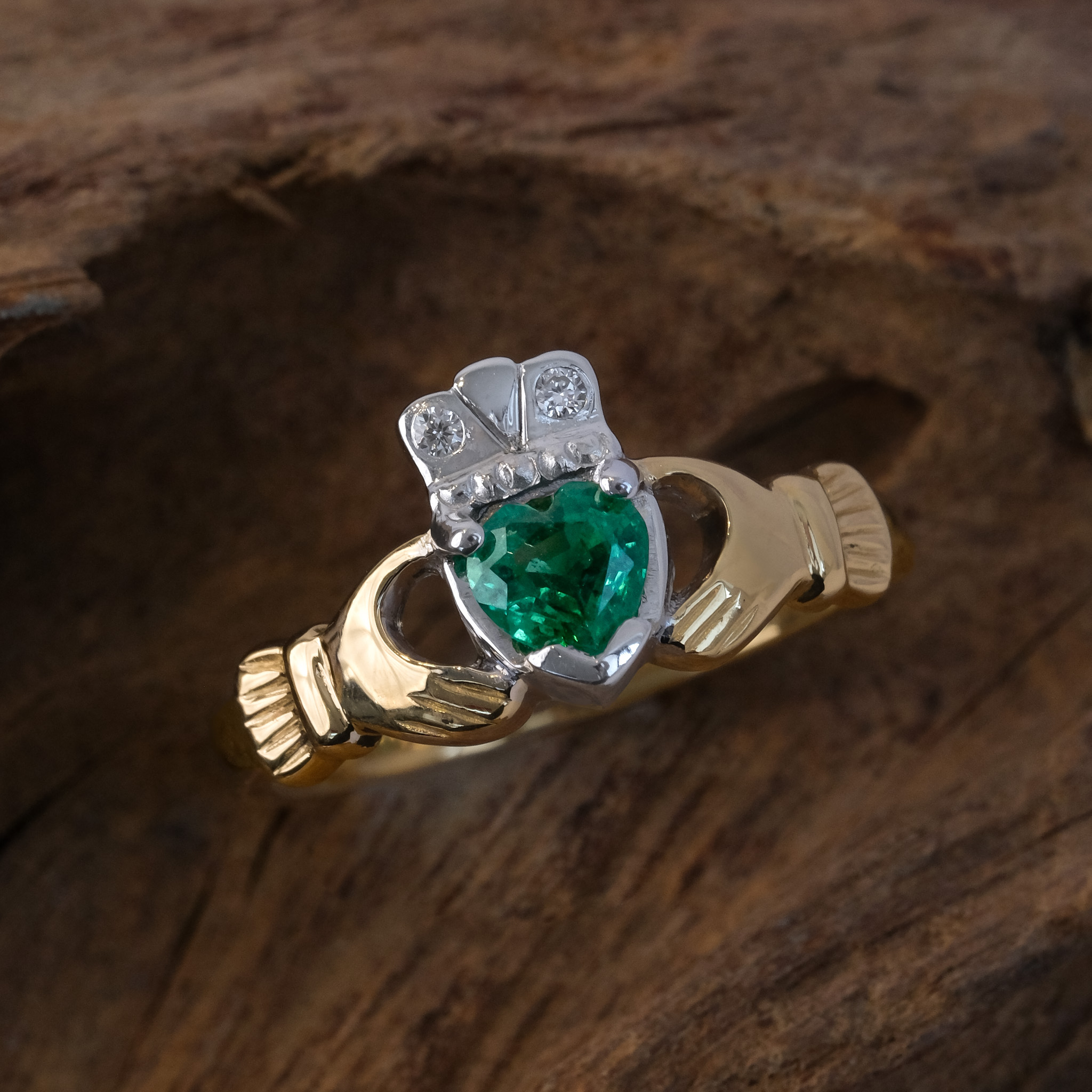
Handfasting, blessings, Claddagh & Celtic bands
Handfasting and Celtic bands →
Lines on stone, named after trees
Lines on stone, names of trees →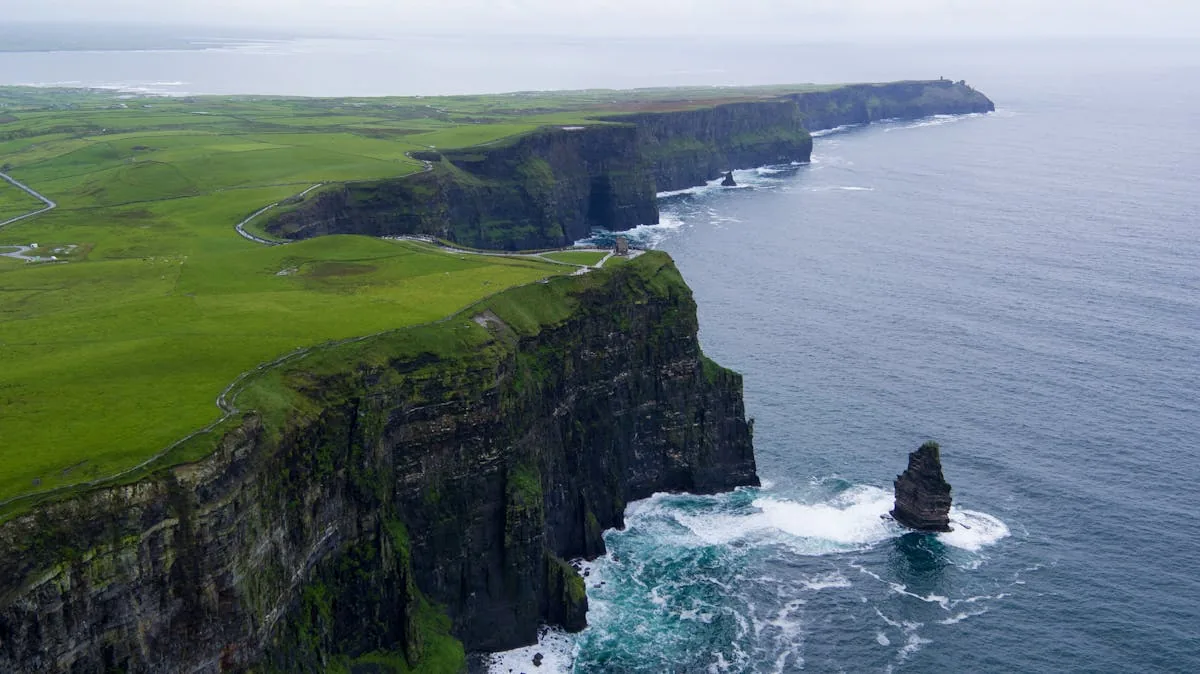
Cable, diamond, moss — what the stitches mean
The stitches and what they mean →
The illuminated manuscript that survived Viking raids
The manuscript that survived the Vikings →
Samhain, Imbolc, Beltane & Lughnasadh
Samhain to Lughnasadh →
The Irish festival that became the world's spookiest night
October 31, thin places, turnip lanterns →
The real history behind March 17
The real story behind March 17 →
Aisling, Ciaran, Niamh — what they mean
Aisling, Ciaran, Niamh and more →
Tracing Irish roots through records and DNA
Trace the line back →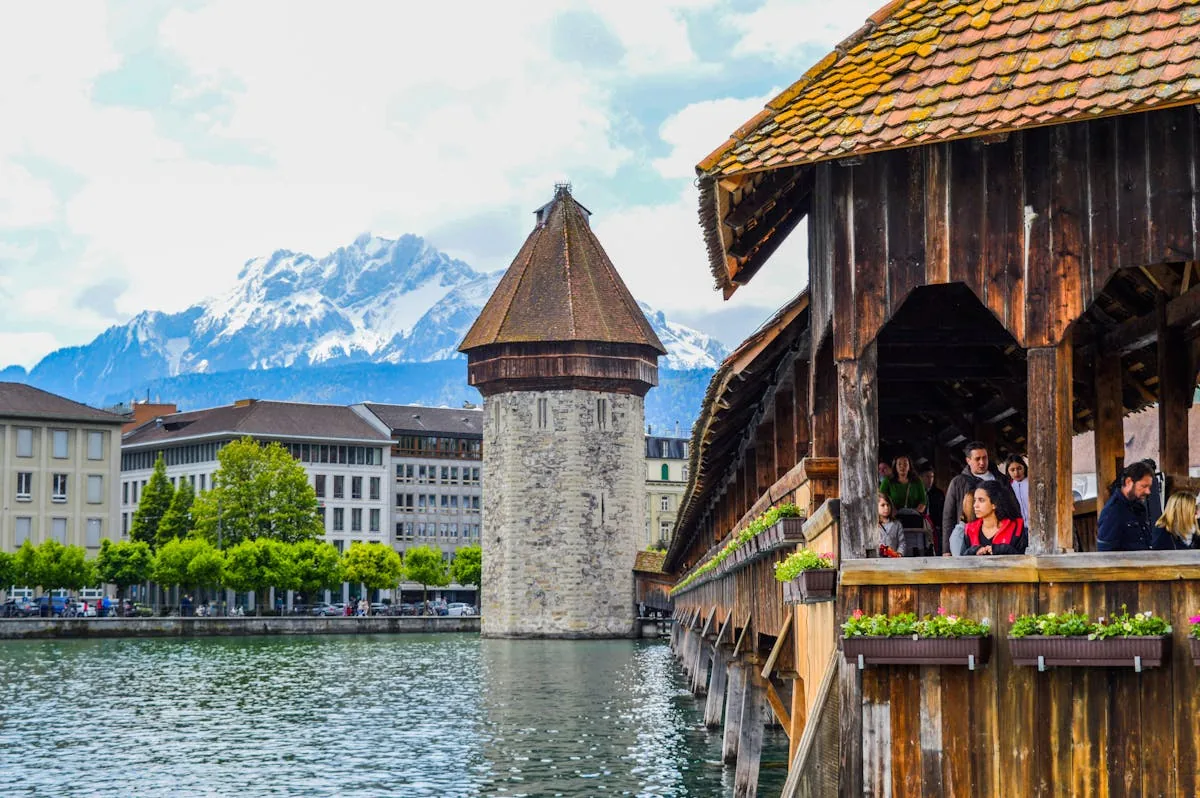
Same island, different people, shared art
Same island, different people →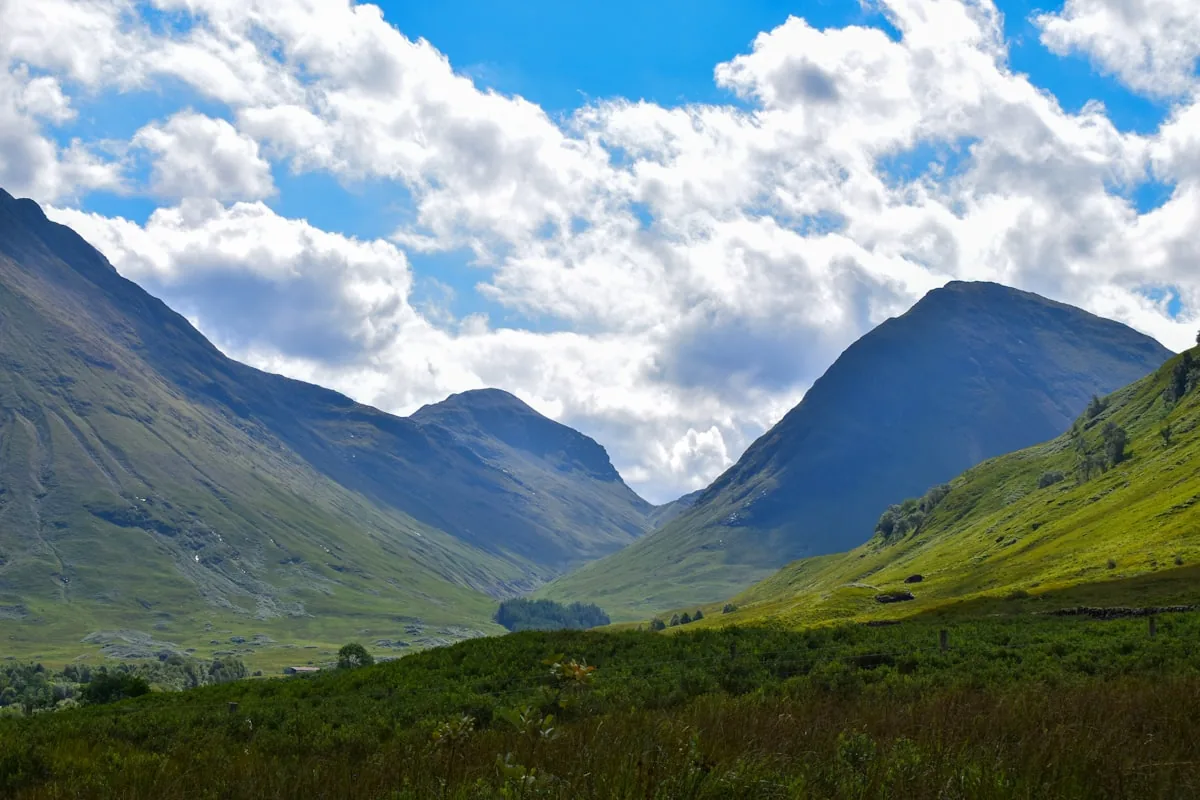
Cousins with separate paths
Cousins, not copies →Stock hero photo credits: assets/IMAGE-CREDITS.md
Irish food is not fancy — it's honest. Soda bread has four ingredients. Irish stew feeds a family from one pot. Irish coffee was invented at a flying-boat terminal in 1943 by a bartender named Joe Sheridan. Colcannon is potatoes and cabbage with more butter than anyone will admit. These are the real recipes, not restaurant versions.
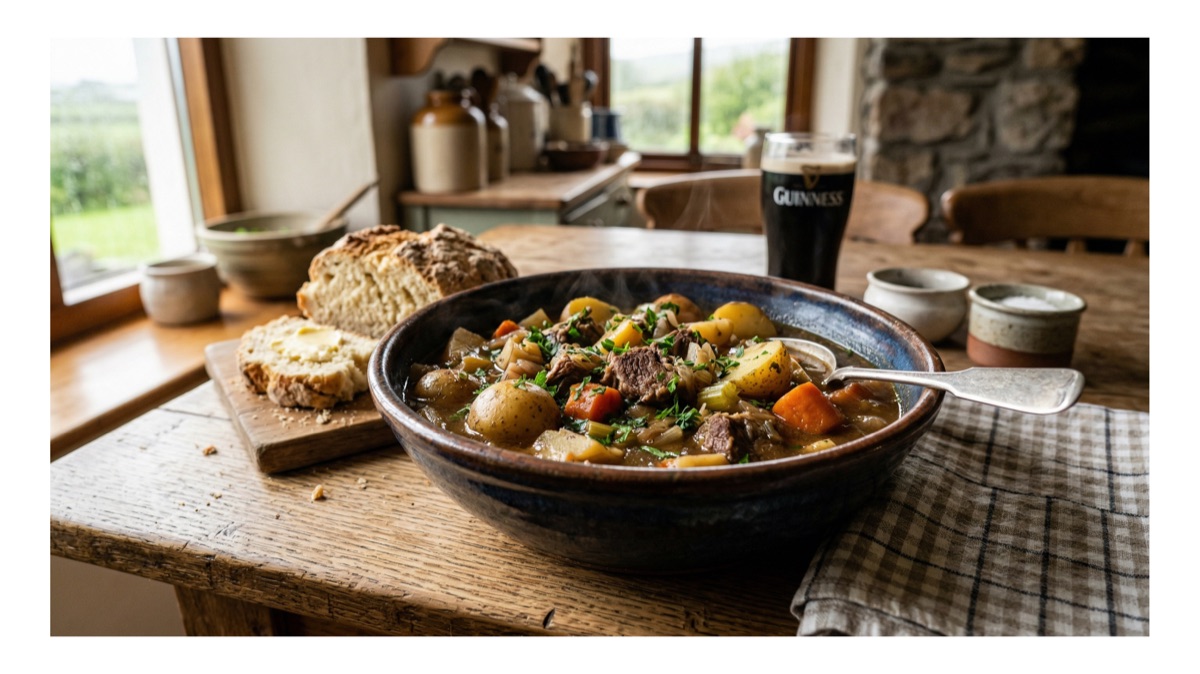
Every traditional recipe on the site
Every recipe on the site →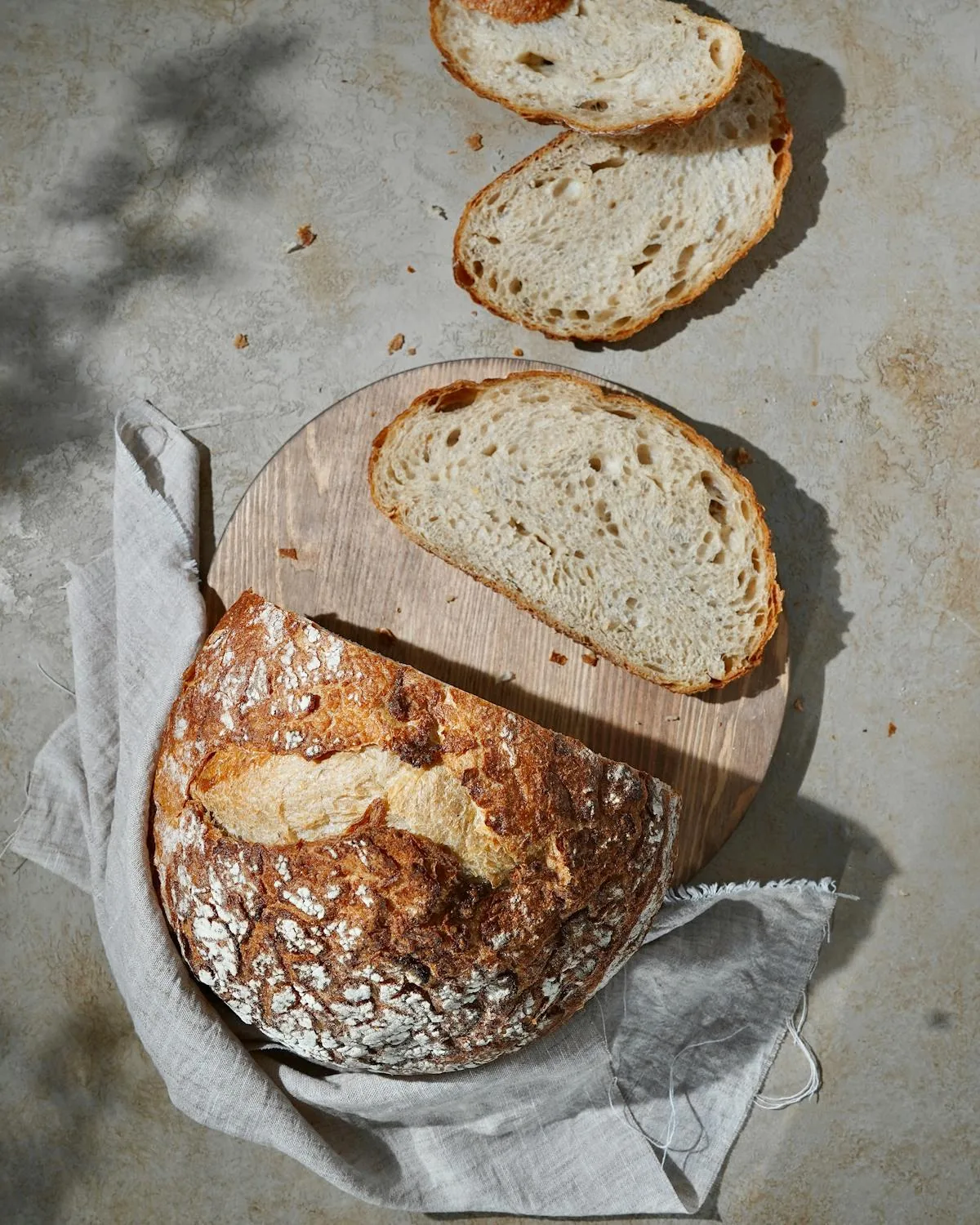
Four ingredients — flour, soda, salt, buttermilk
Four ingredients, no yeast →
Lamb, potatoes & root veg in one pot
One pot since the 1800s →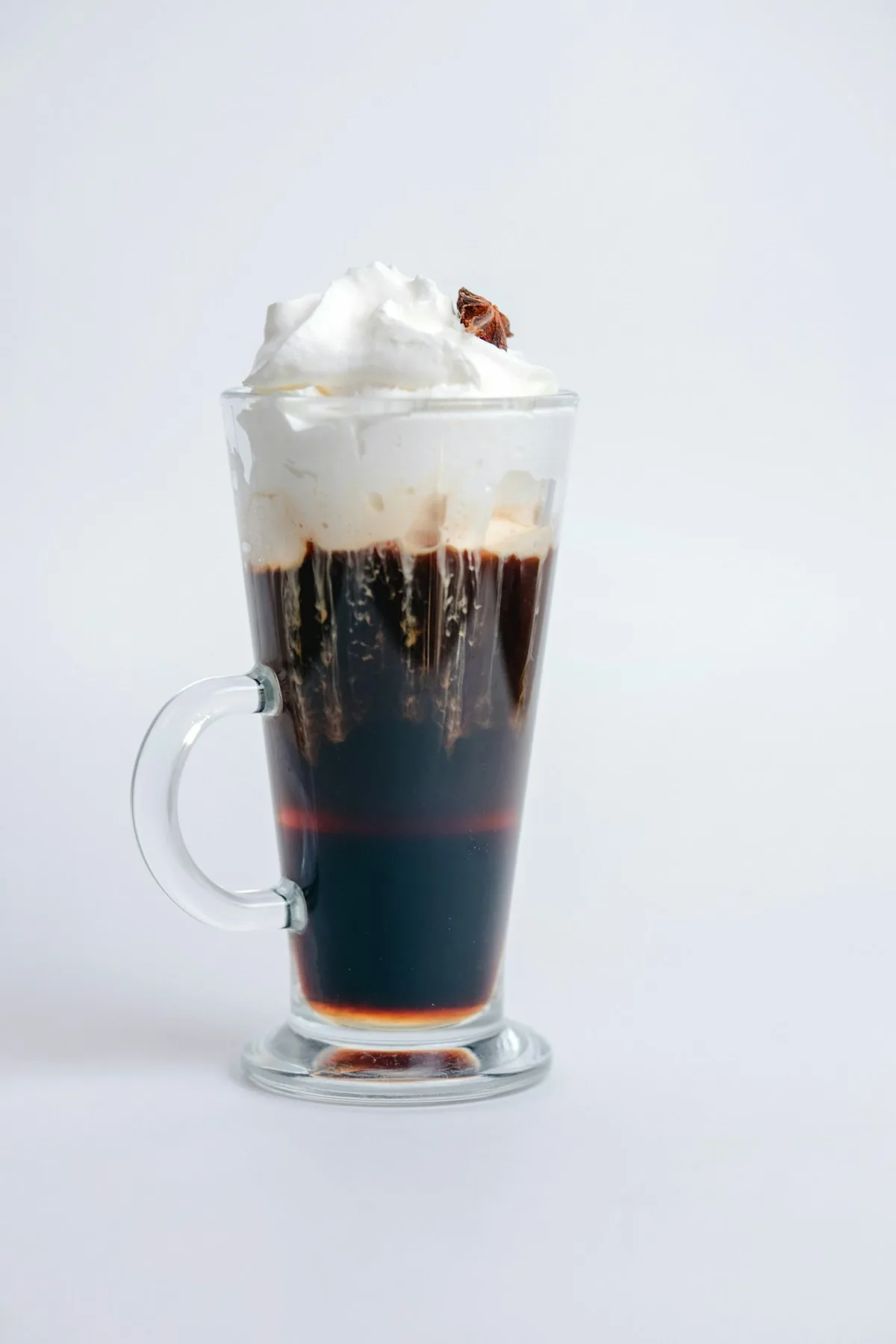
Joe Sheridan's 1943 invention at Foynes
Whiskey, cream, and the Foynes story →
Mashed potatoes, cabbage & too much butter
Potatoes, cabbage, and butter →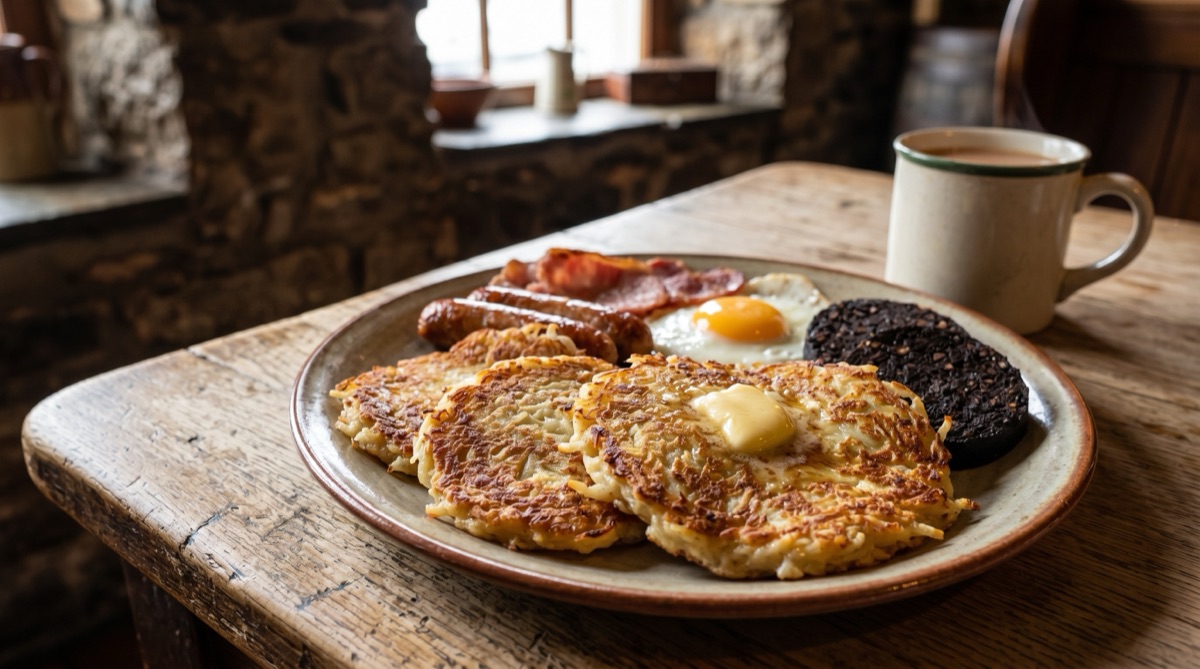
The potato pancake from Leitrim and Cavan
The potato pancake from the northwest →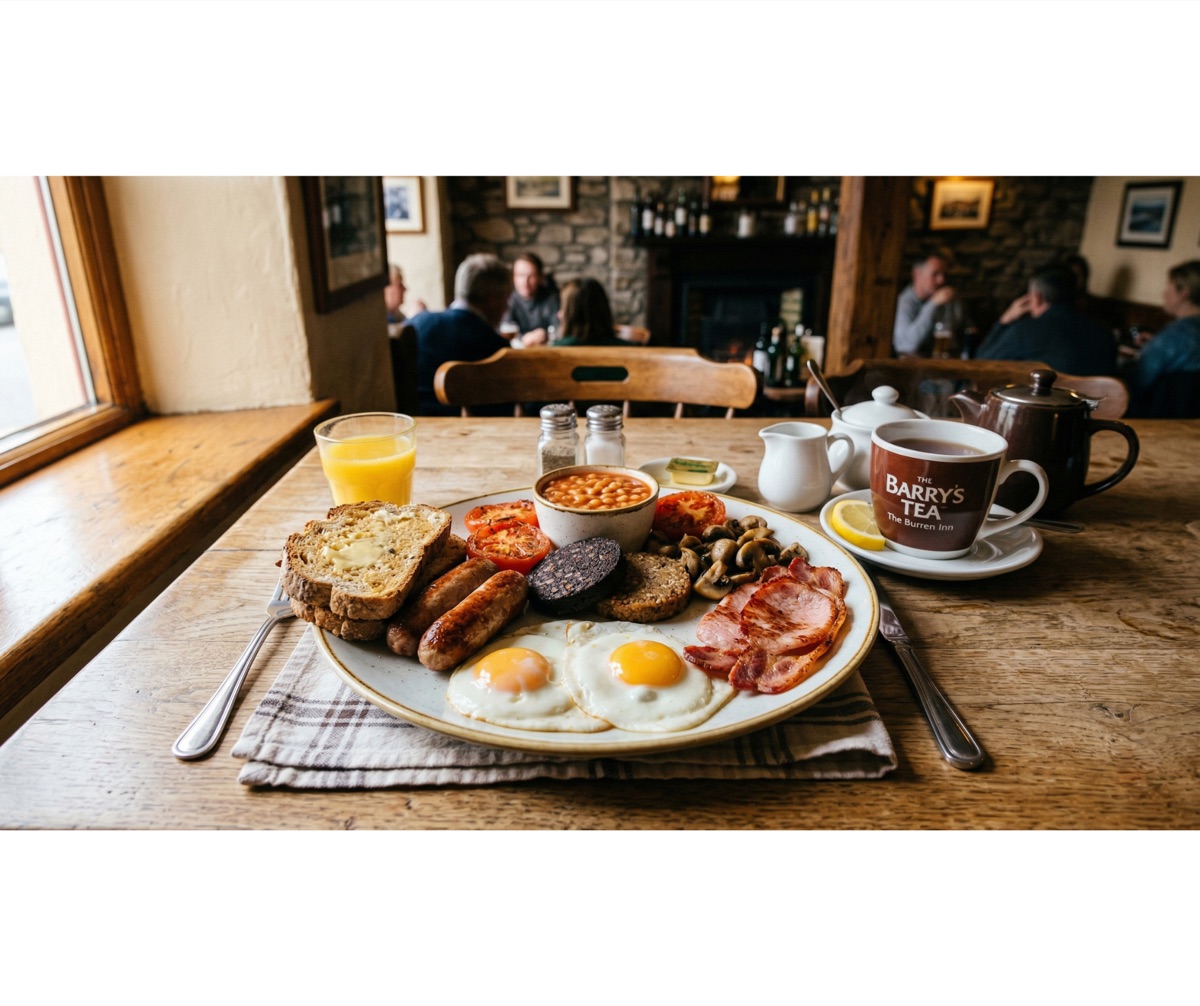
Rashers, sausages, eggs, pudding, toast, tea
Everything on the plate →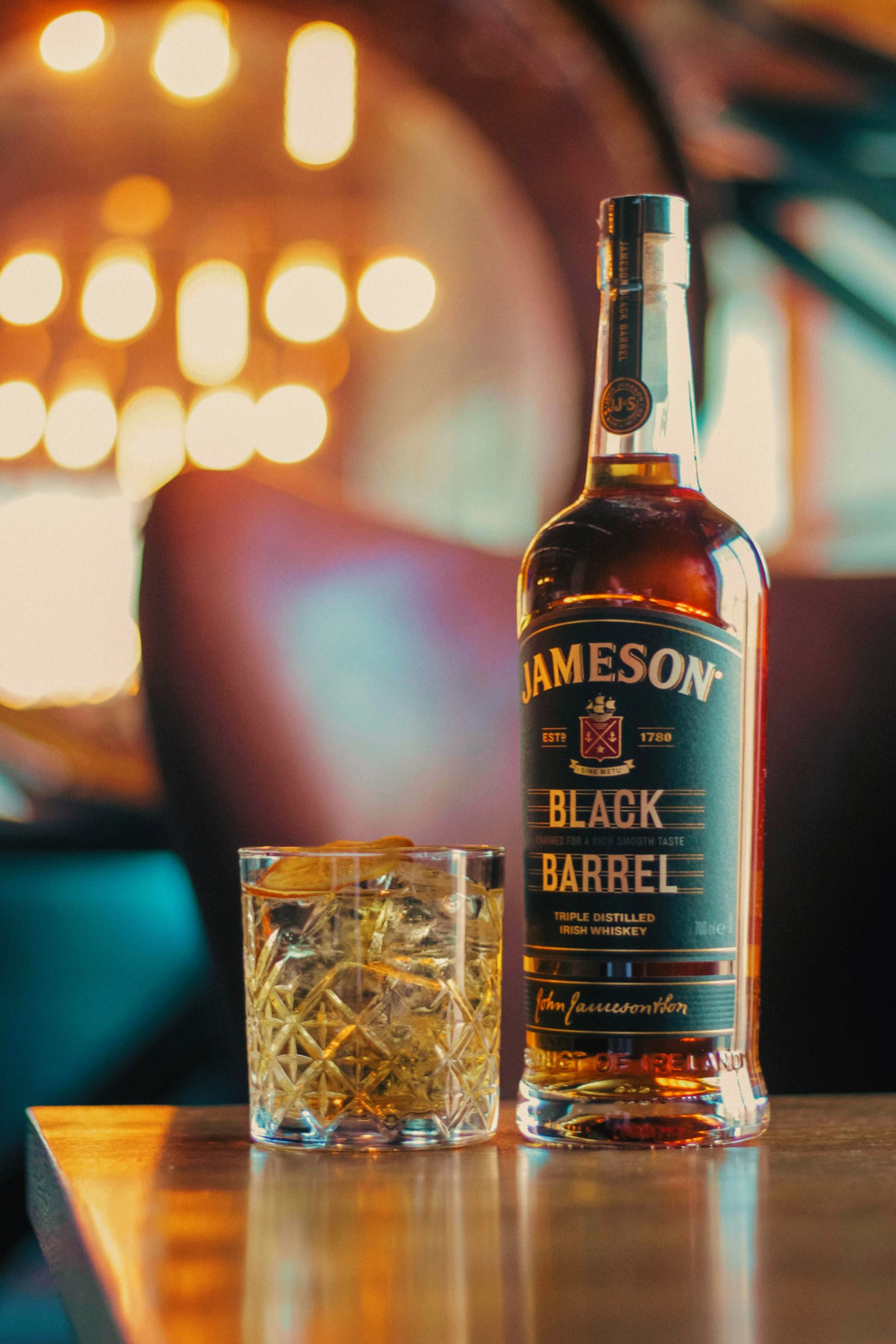
Triple-distilled — Bushmills, Jameson, Redbreast
Triple-distilled, smoother than Scotch →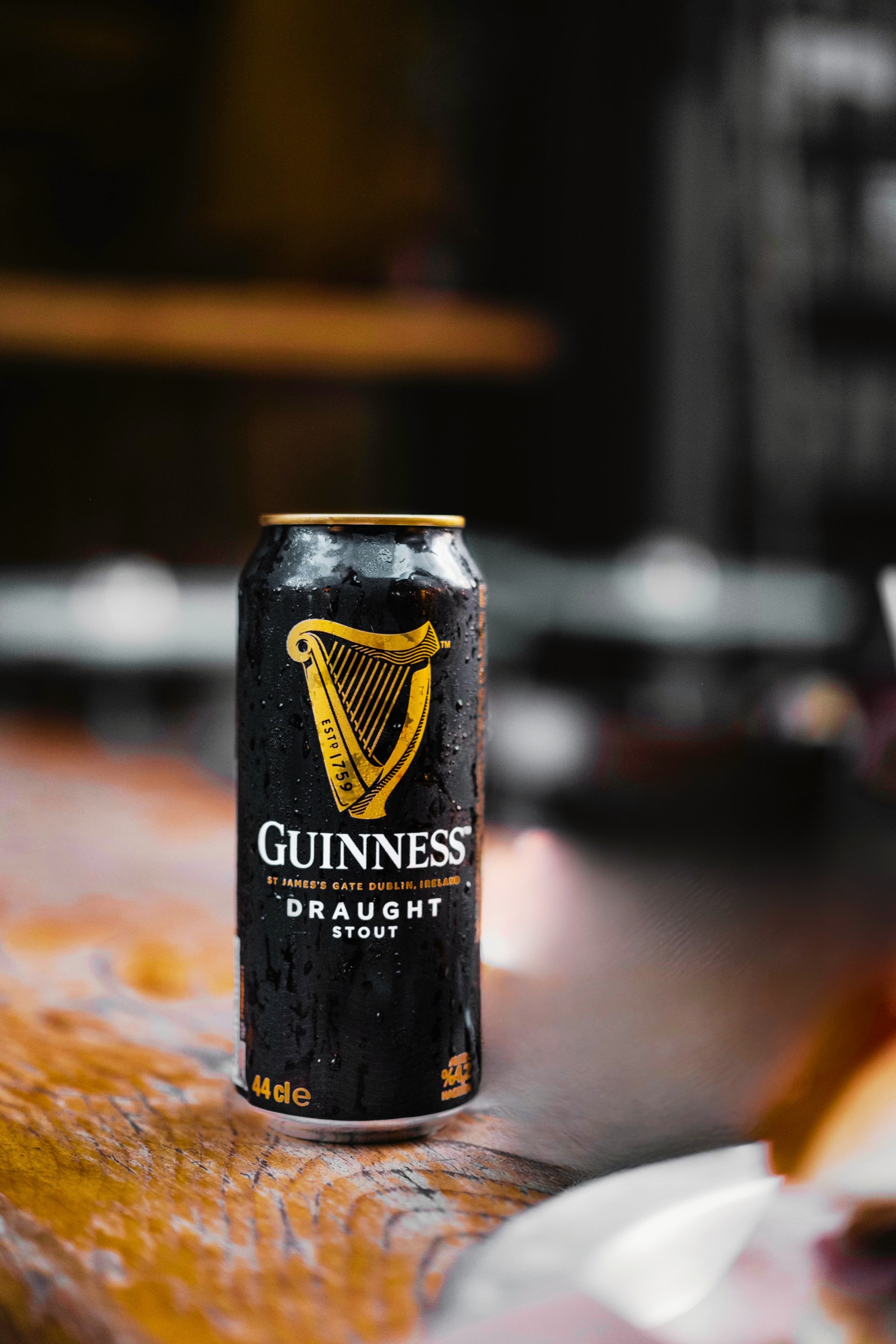
119.5 seconds for a proper two-part pour
The pint, the pour, the pub →
Ireland has 12 heritage trails you can drive or walk. The Wild Atlantic Way runs 2,500 km along the west coast. The Causeway Coastal Route takes you past the Giant's Causeway. The National Famine Way retraces a 165-km march from 1847. Pilgrim paths lead to Croagh Patrick and Ardmore. Each guide lists stops, distances, and the best time to go.
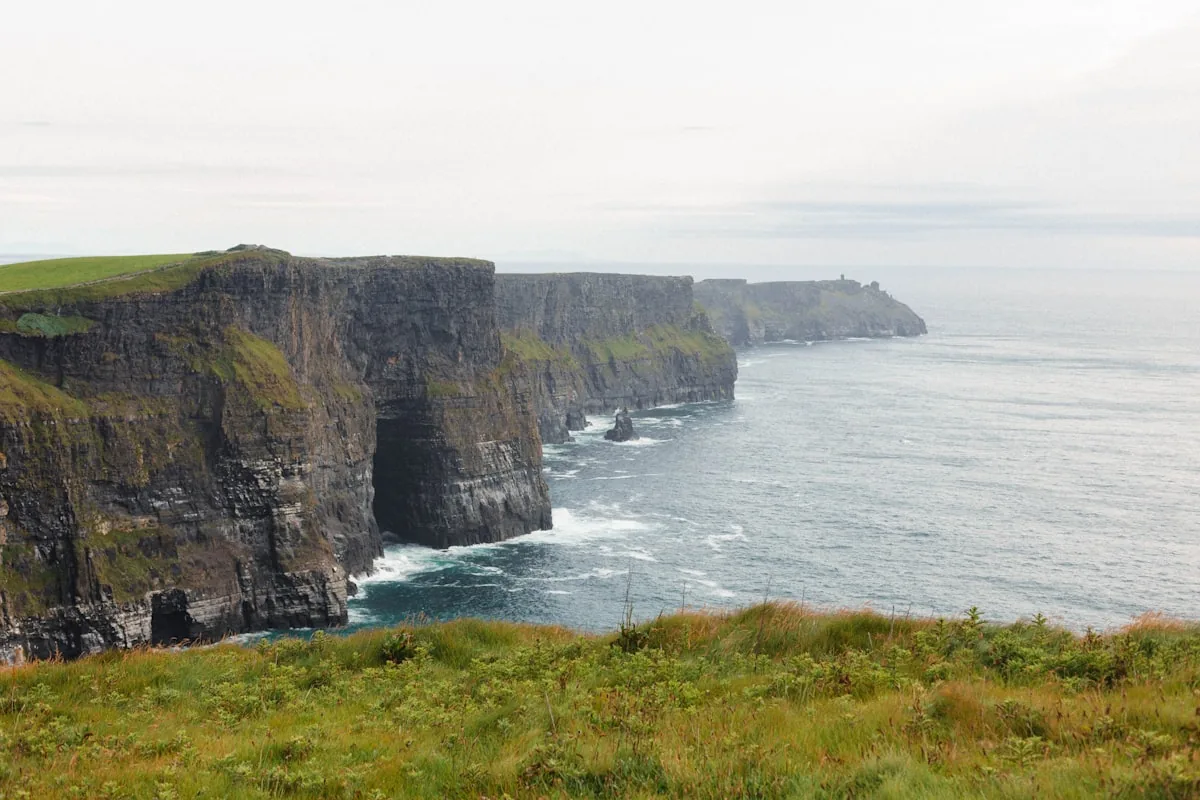
2,500 km from Donegal to Cork along the coast
2,500 km of west coast →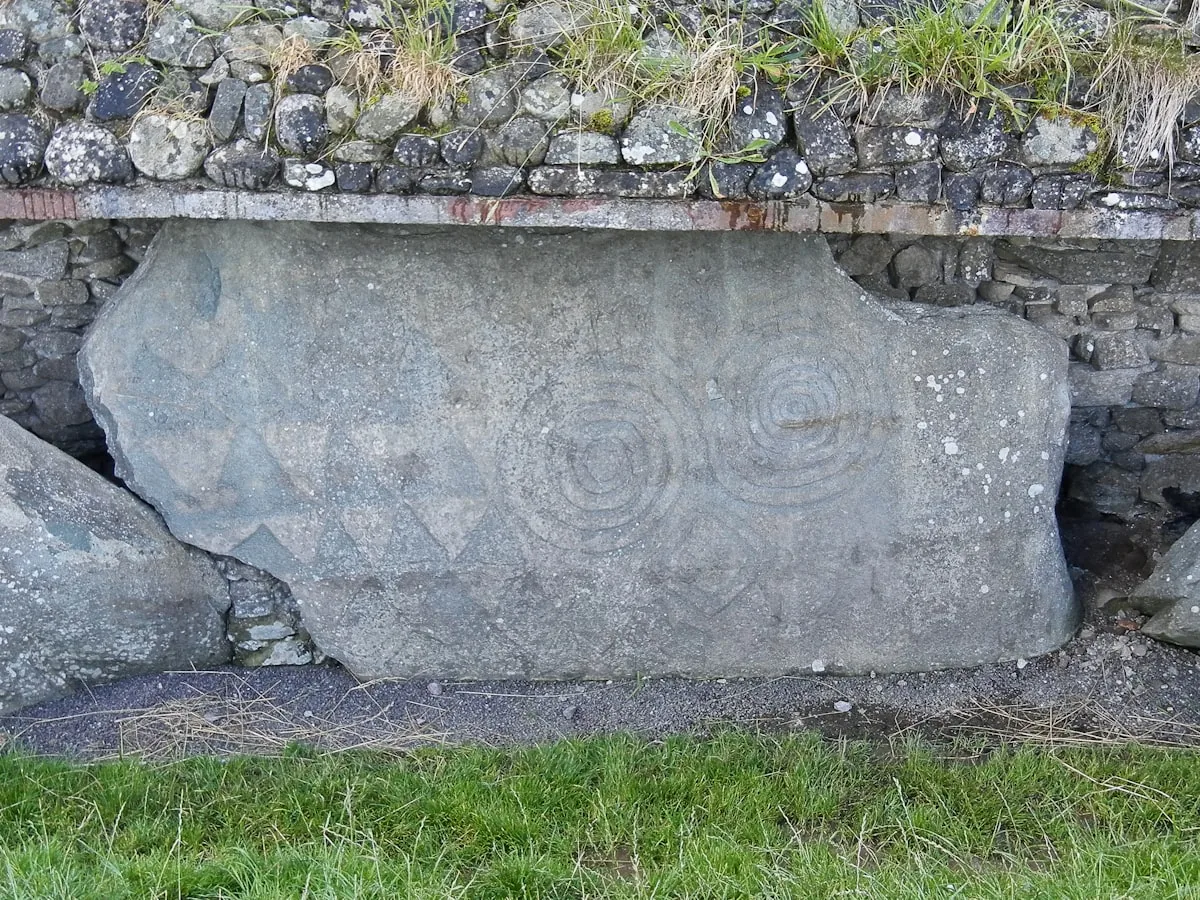
17 counties, 5,000 years — Newgrange to Waterford
Newgrange to Waterford →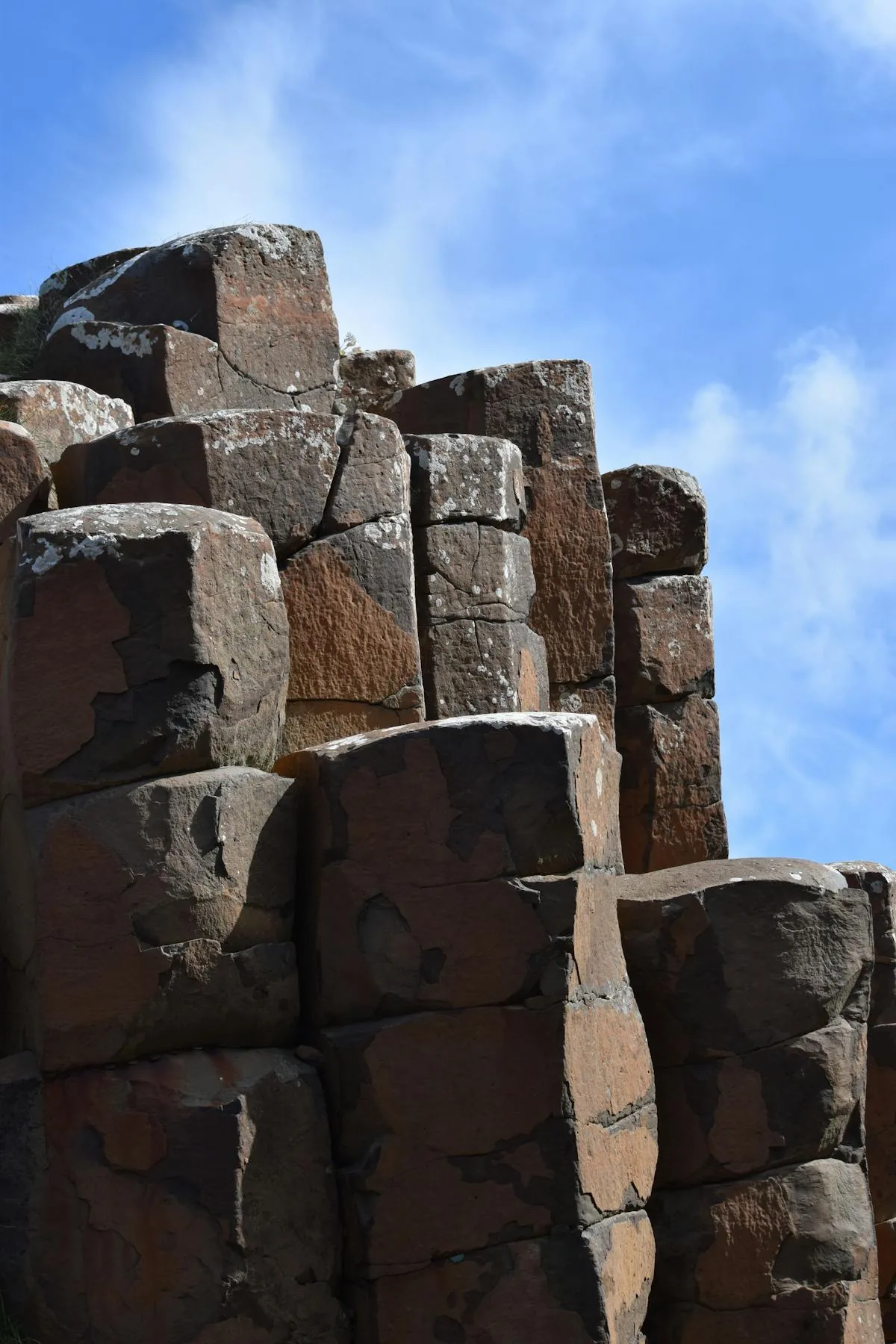
195 km past the Giant's Causeway & Antrim glens
The Giant's Causeway drive →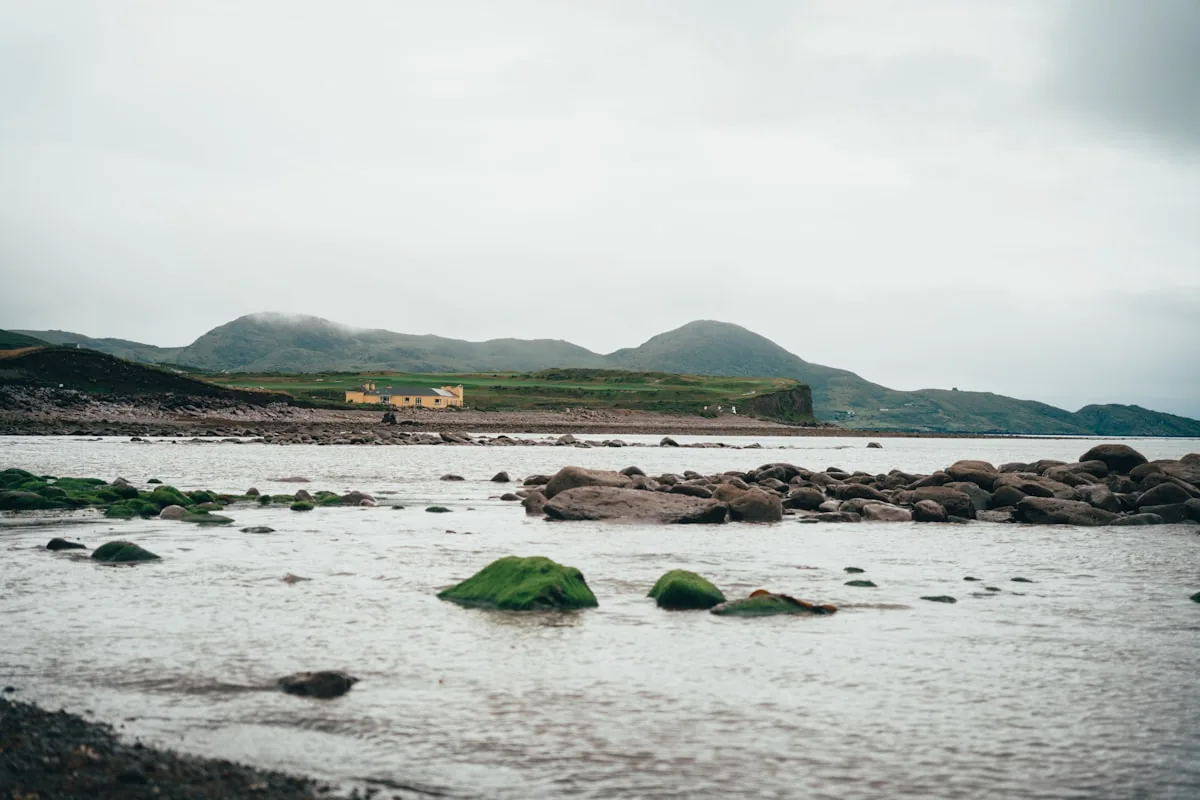
179 km loop around the Iveragh Peninsula
179 km around the peninsula →
137 km — the quieter peninsula on the Cork-Kerry border
The quieter loop →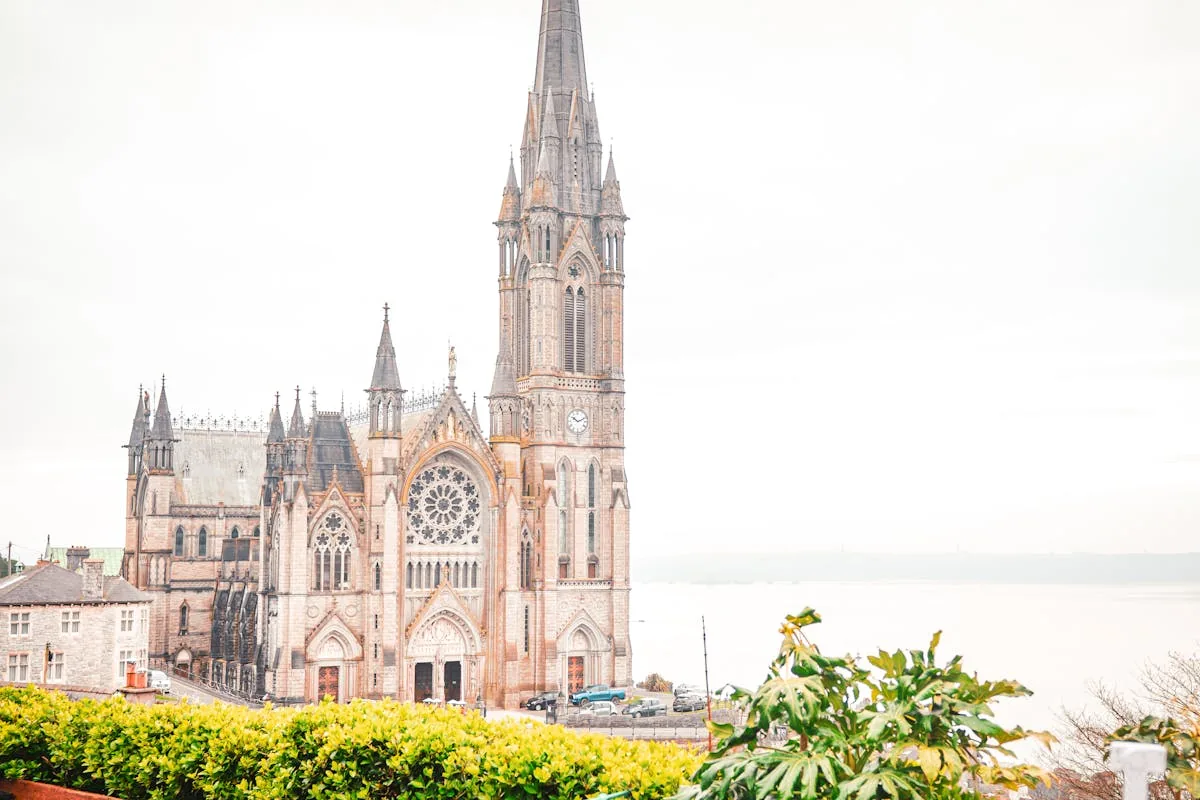
Norse settlement routes from Dublin to Waterford
Norse routes in the southeast →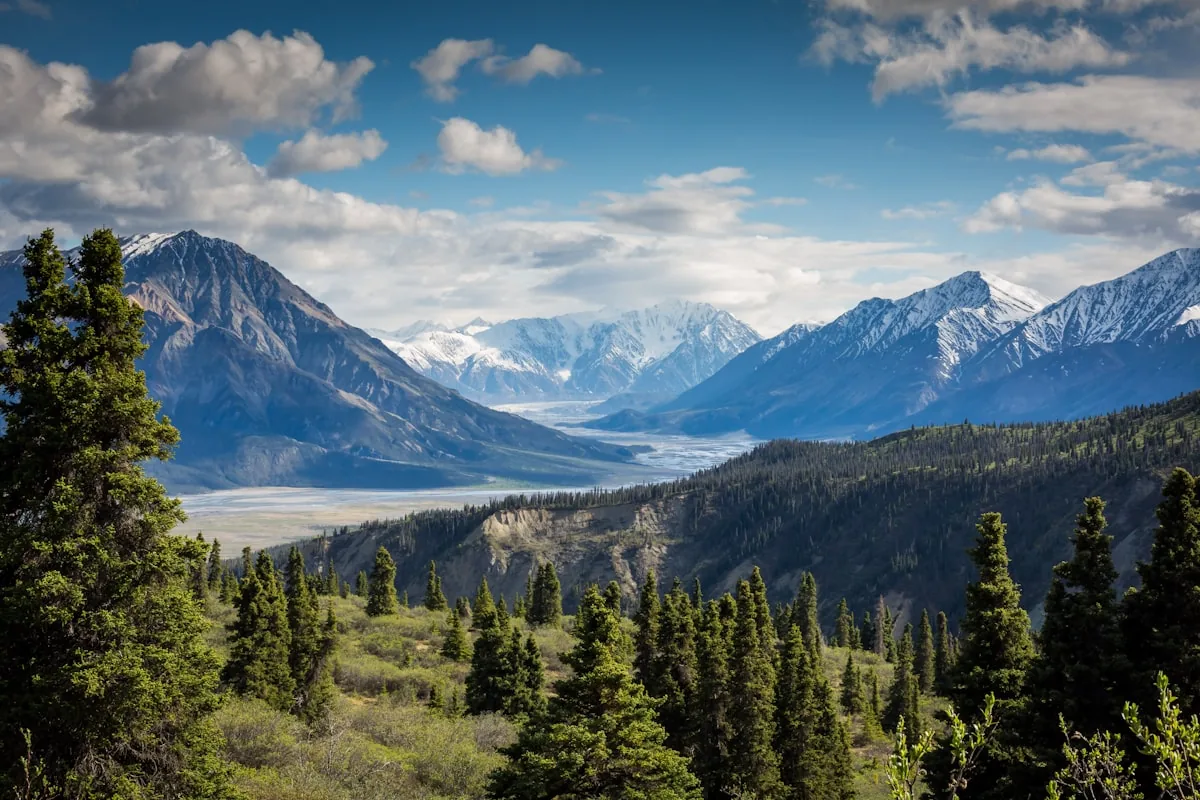
Iona to Kells to Trinity College Dublin
Iona to Trinity College →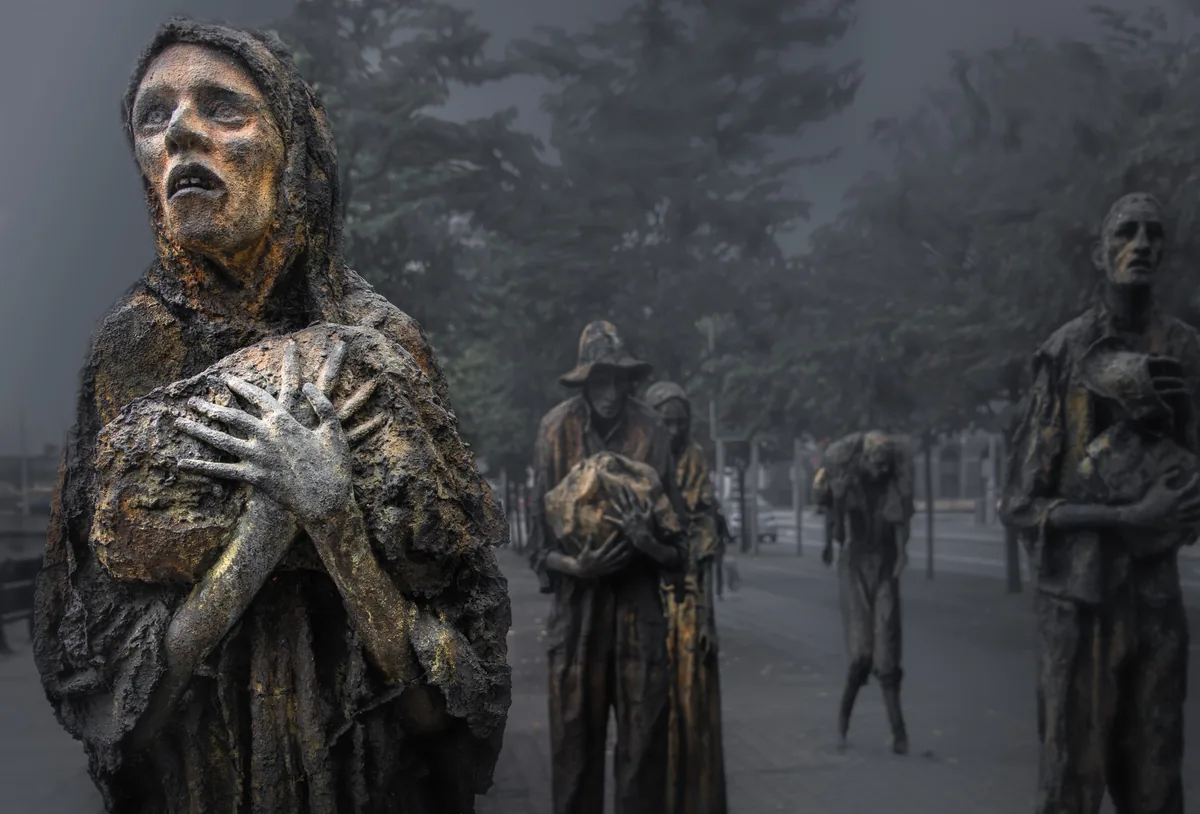
165 km retracing the 1847 eviction march
165 km retracing 1847 →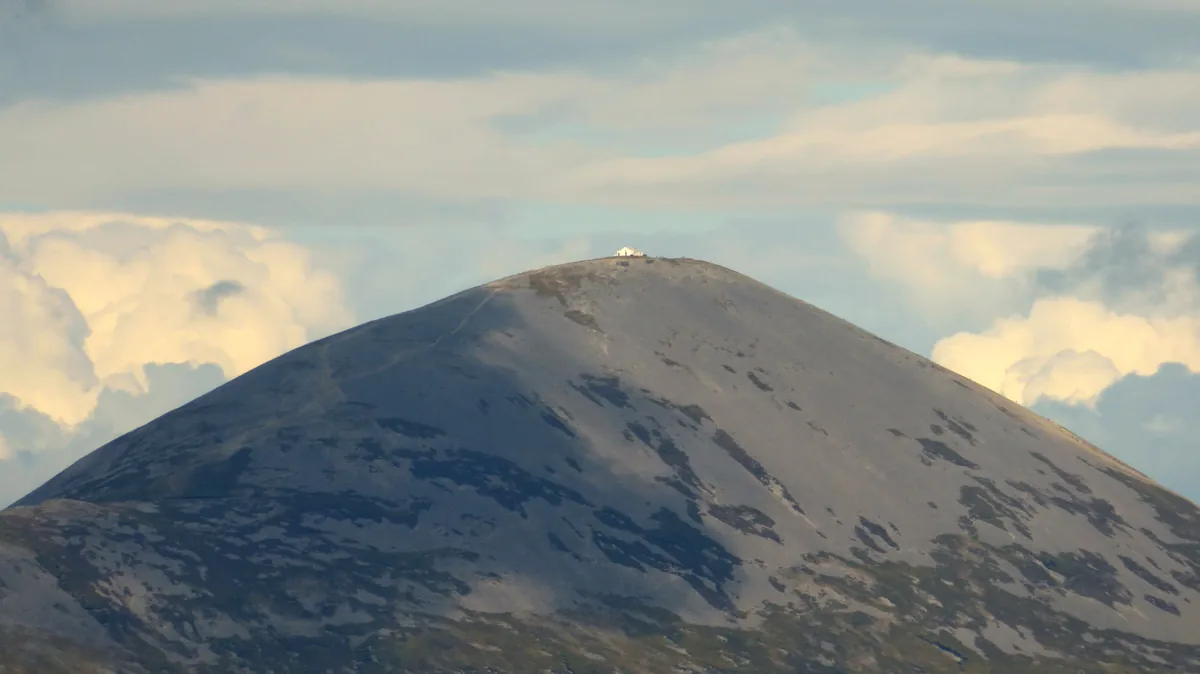
Sites linked to Ireland's patron saint
Where the patron saint walked →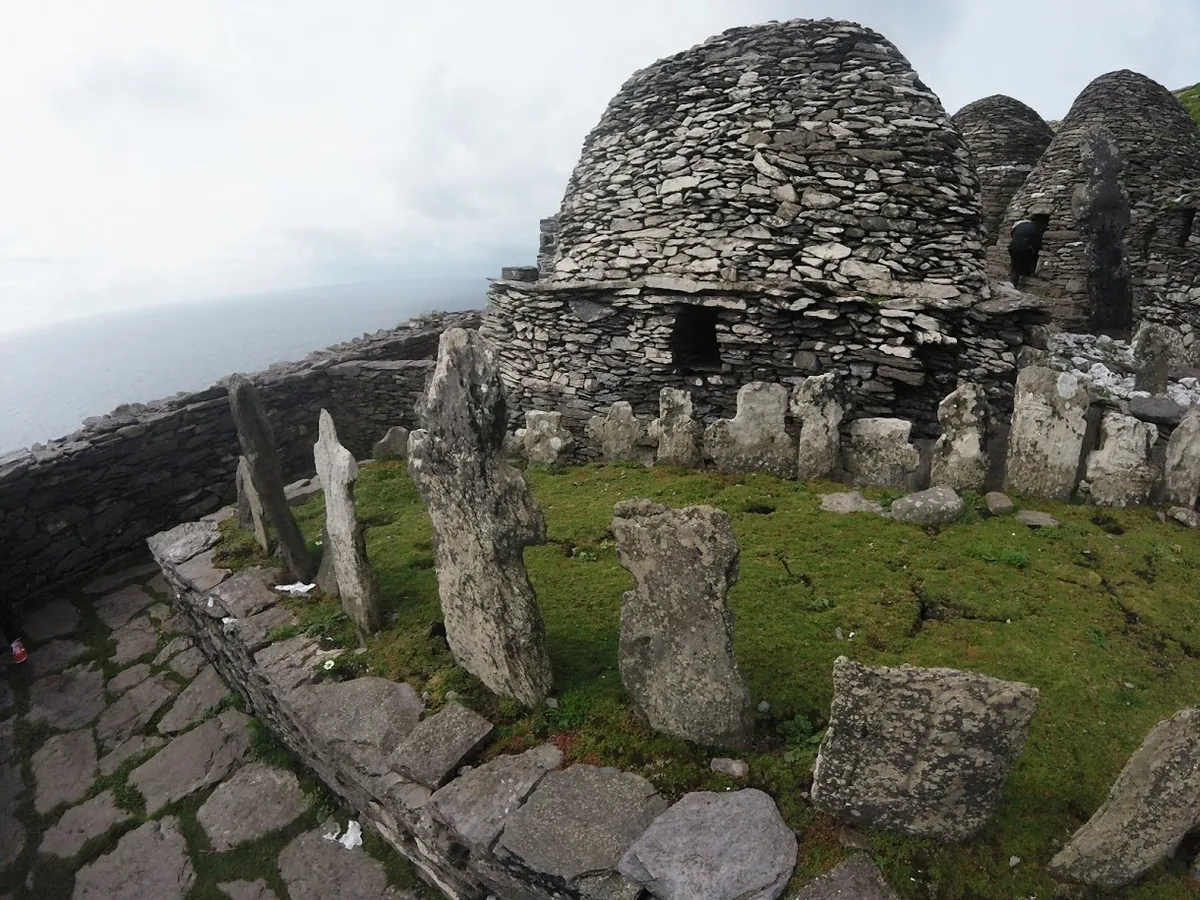
Clonmacnoise, Monasterboice & Glendalough
Clonmacnoise to Monasterboice →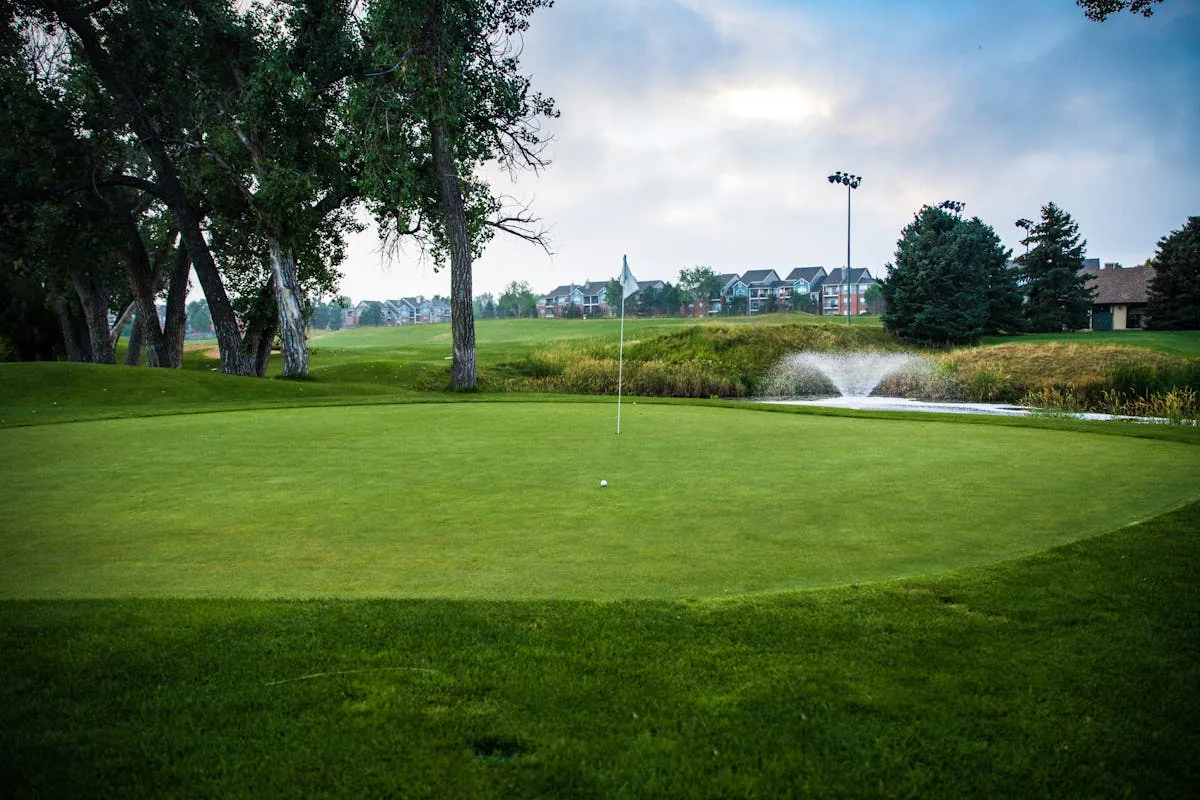
35 km pilgrim path to Croagh Patrick
The old pilgrim path →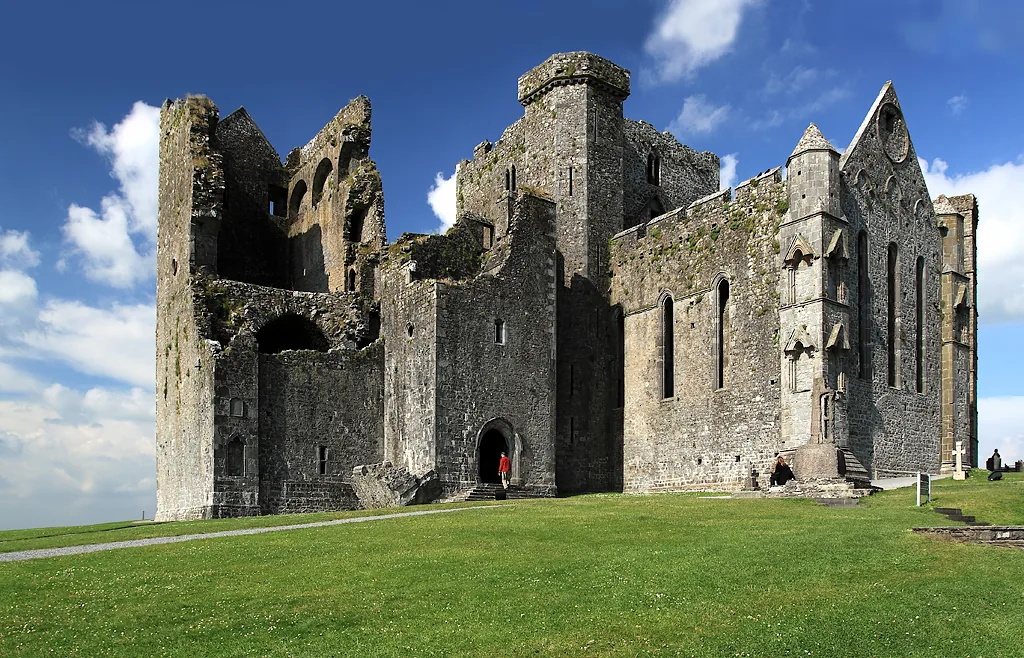
115 km from the Rock of Cashel to the sea
Cashel to the coast →
These aren't tourist brochure entries — they're where Irish symbols and traditions actually come from. Galway is where the Claddagh ring was born. Dublin Castle has hallmarked precious metal since 1637. Newgrange was built 5,000 years ago and still catches the winter solstice sunrise. The Cliffs of Moher drop 214 metres straight into the Atlantic.
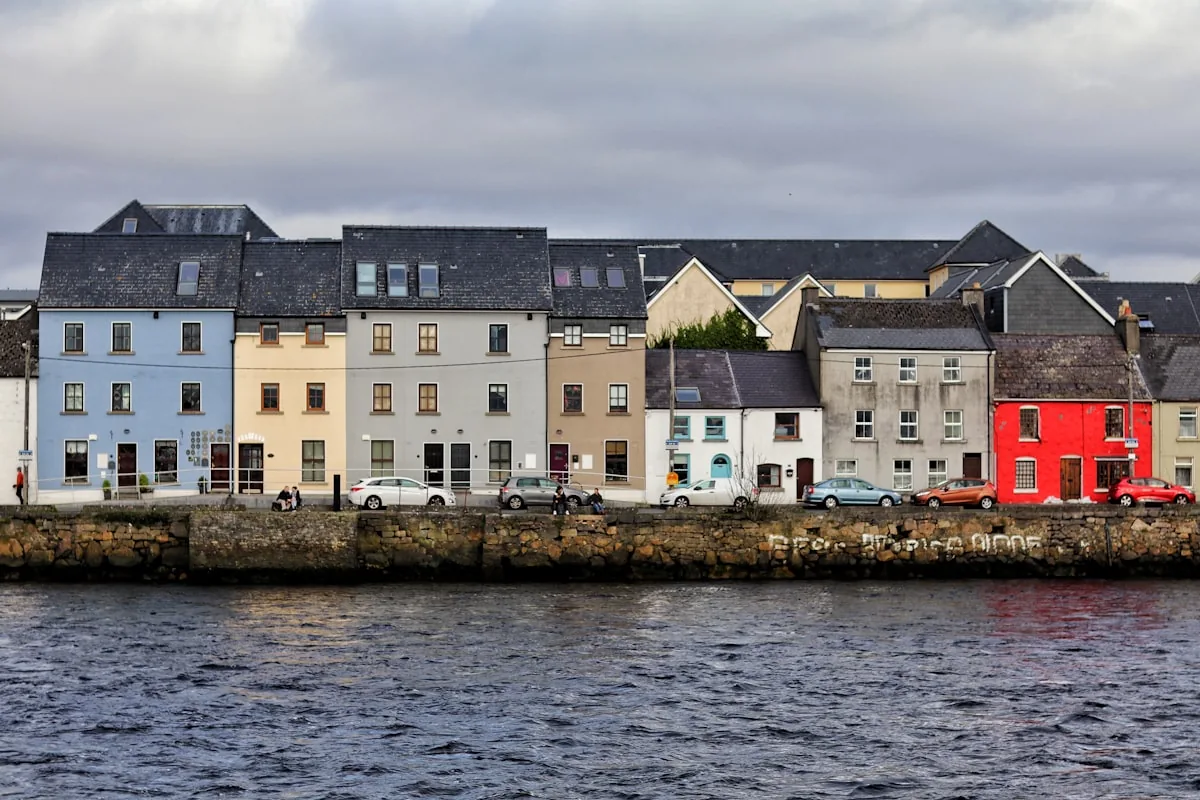
Claddagh home, arts capital, mouth of the Corrib
Where the Claddagh ring was born →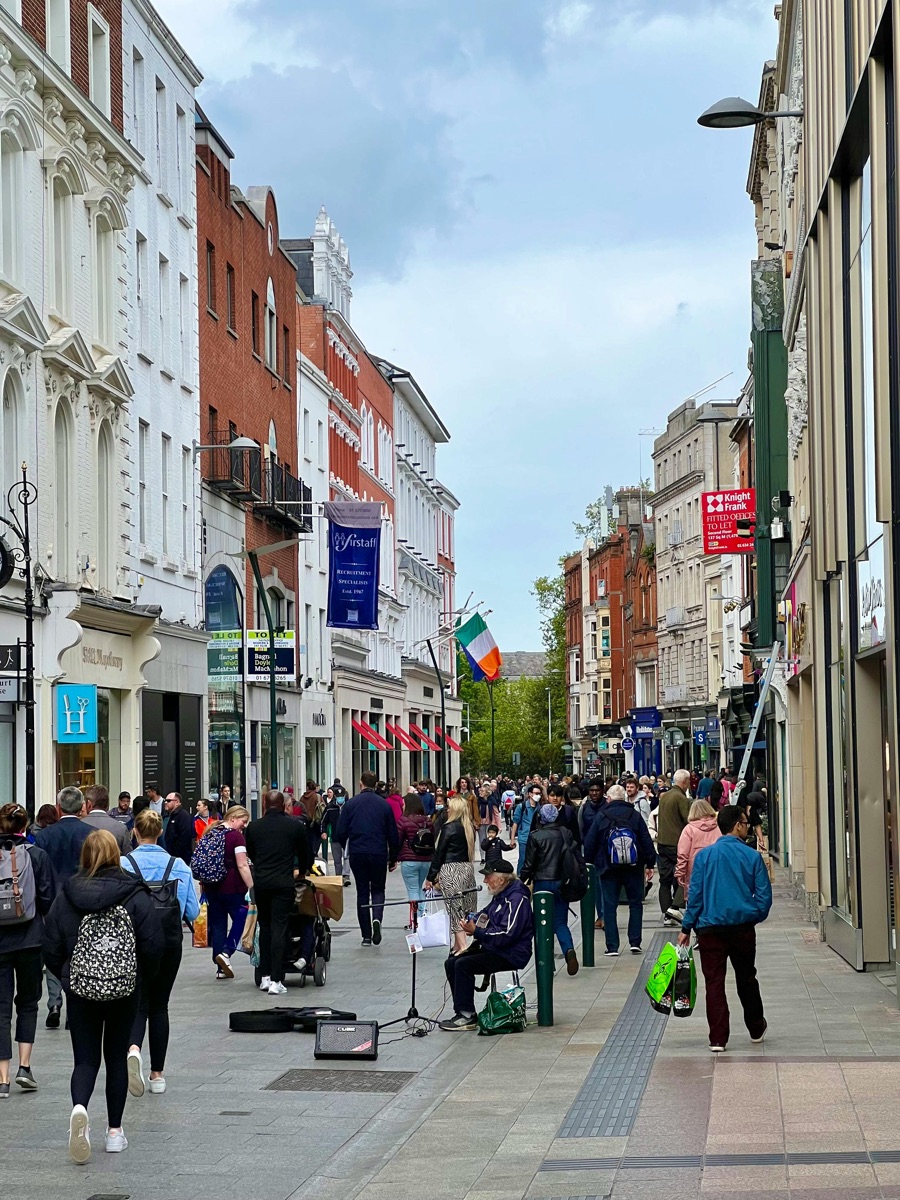
Castle, Trinity, Kilmainham & the National Museum
Castle, Trinity, and Kilmainham →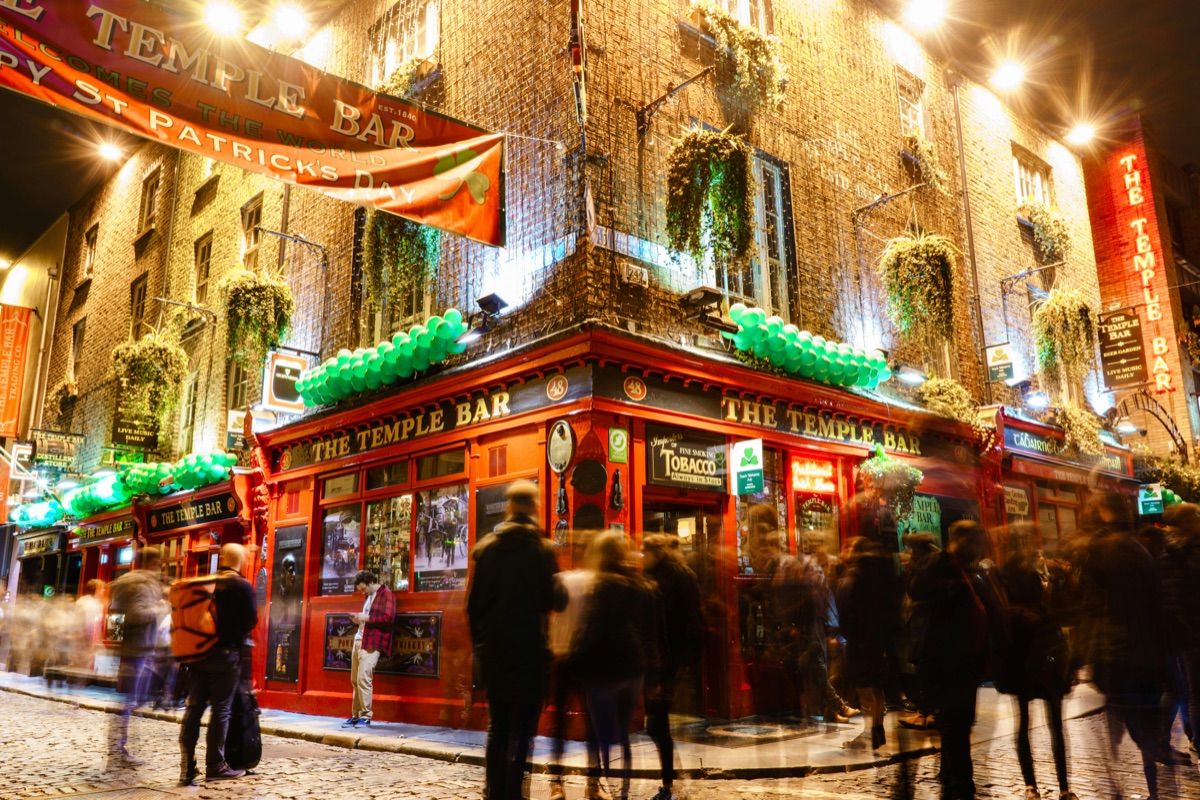
Dublin's cultural quarter since the 1990s
Dublin's cultural quarter →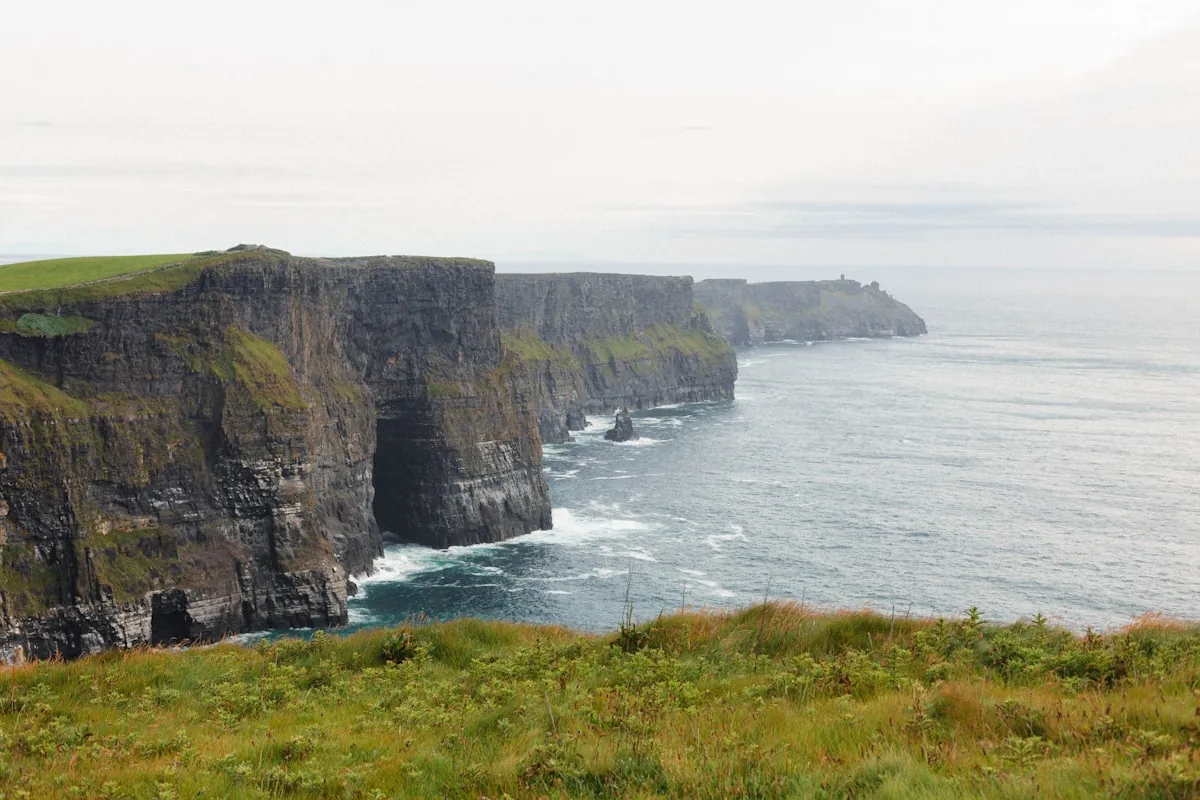
Marble quarries, Kylemore Abbey & the Gaeltacht
Marble, Kylemore, and the wild coast →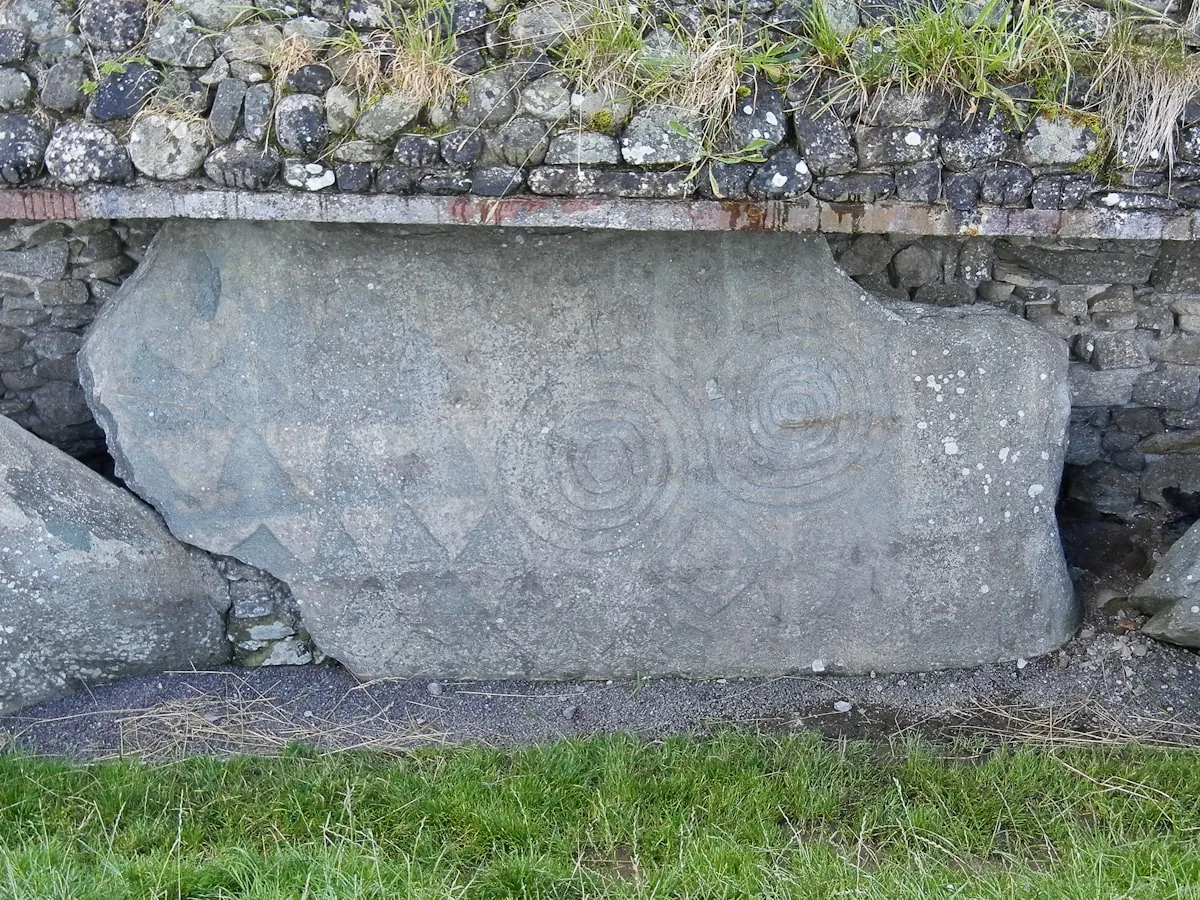
Passage tombs from 3200 BCE — older than the Pyramids
Older than the Pyramids →
Ireland's first national park & the Ring of Kerry
Lakes, mountains, and the ring road →
Dun Aonghasa, Aran sweaters & the Atlantic edge
Sweaters and the Atlantic edge →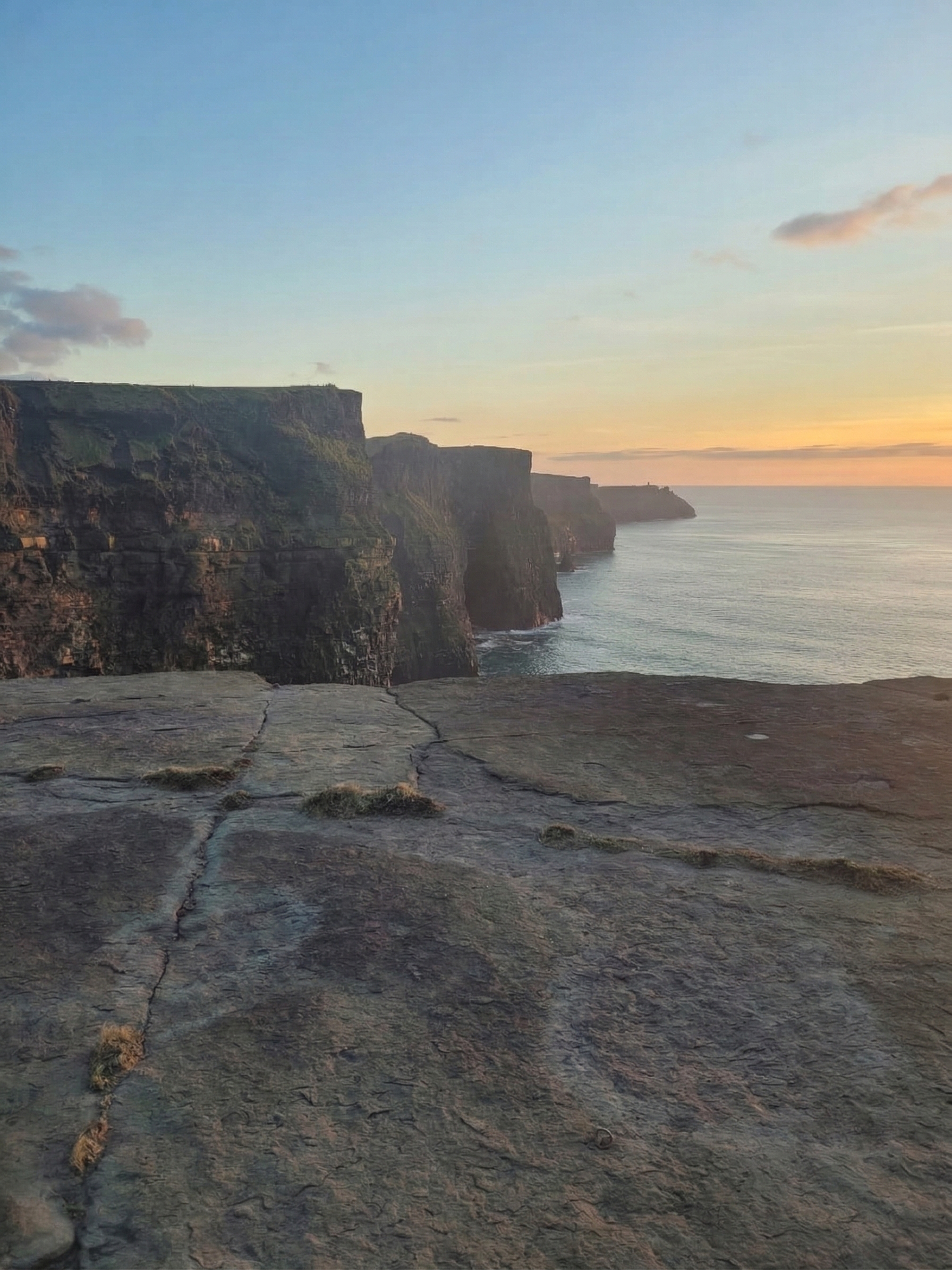
214 metres of Namurian shale above the Atlantic
214 metres straight down →
40,000 basalt columns — UNESCO since 1986
Finn McCool, geology & the north coast →
Irish rings and Celtic motifs compress big ideas into small forms: the Claddagh names love, loyalty, and friendship; knots stand for eternity; the Trinity Knot and Triskele stress unity and motion; the Celtic cross ties faith to Ireland’s carved high crosses; the Tree of Life maps ancestry and earth-to-sky. Use the table below as a fast reference before opening a full guide.
| Symbol | Meaning |
|---|---|
| Claddagh | Love, loyalty, friendship — heart, crown, hands |
| Celtic knot | Eternity; paths with no beginning or end |
| Trinity Knot | Unity; often earth, sea & sky or past, present & future |
| Celtic cross | Faith; cross with a ring — Ireland's high-cross tradition |
Deep guides: Celtic knot, Celtic cross, Trinity knot, Tree of Life, Ogham alphabet. For the Claddagh, Claddagh ring meaning →
Neolithic sites like Newgrange, the Book of Kells manuscript, and the National Museum’s archaeology collections anchor Irish symbols in real places and objects. Galway remains the cultural home of the Claddagh. These links support deeper reading beyond jewelry alone.
Discover the culture behind these symbols through trusted Irish institutions and travel resources.
Irish symbols and traditions are rooted in real places, from Galway and the Claddagh to Newgrange, the Book of Kells, and the western cliffs. A sample driving or walking route is highlighted on the map below; tap a different trail to switch routes. Tap any gold pin for a place guide (on mobile, use Read the guide in the panel that opens).
What heritage trails can you explore in Ireland? Ireland has 12 marked heritage trails spanning the island. Three official scenic routes — the Wild Atlantic Way (2,500 km), Ireland's Ancient East, and the Causeway Coastal Route — cover the coasts and interior. Five heritage trails follow Viking, monastic, and Famine-era paths. Two ancient pilgrim routes and two ring drives complete the network. Each trail connects to a dedicated guide on this site.
Where are the most important Celtic heritage sites in Ireland? Ireland's densest Celtic heritage sites cluster in the east and midlands. Newgrange in the Boyne Valley (c. 3200 BCE) predates Stonehenge. The Hill of Tara was the seat of the High Kings. Monasterboice and Clonmacnoise preserve 10th-century high crosses. Galway's Claddagh village is the birthplace of the Claddagh ring. Trinity College Dublin holds the 9th-century Book of Kells.
How do you plan a heritage trail trip in Ireland? Start by choosing a trail category — scenic drives, heritage routes, pilgrim paths, or ring routes. The Wild Atlantic Way and Ring of Kerry suit first-time visitors; the Celtic Monastery Trail and Tochar Phadraig reward walkers interested in early medieval history. Most trails can be driven in 1-3 days. Each trail guide on this site lists stops, driving times, and seasonal advice.
Trail buttons below the map switch the highlighted route. Pins open guides on this site; on mobile, tap a pin, then Read the guide.
No JavaScript? Use these links:
The Irish Heritage Quiz asks seven questions about your connection to Ireland — landscapes, values, traditions — and reveals which Celtic symbol matches your personality: Claddagh, Harp, Shamrock, Celtic Knot, or Tree of Life. Results link to deeper guides across the site.
Prefer editorial first? Open the master symbol chart. Curious about rings? The quiz takes about a minute.
Prefer to read first? Claddagh ring meaning — full guide →