
Guinness & Irish Pub Culture: Pints, Craic & What Makes It Different
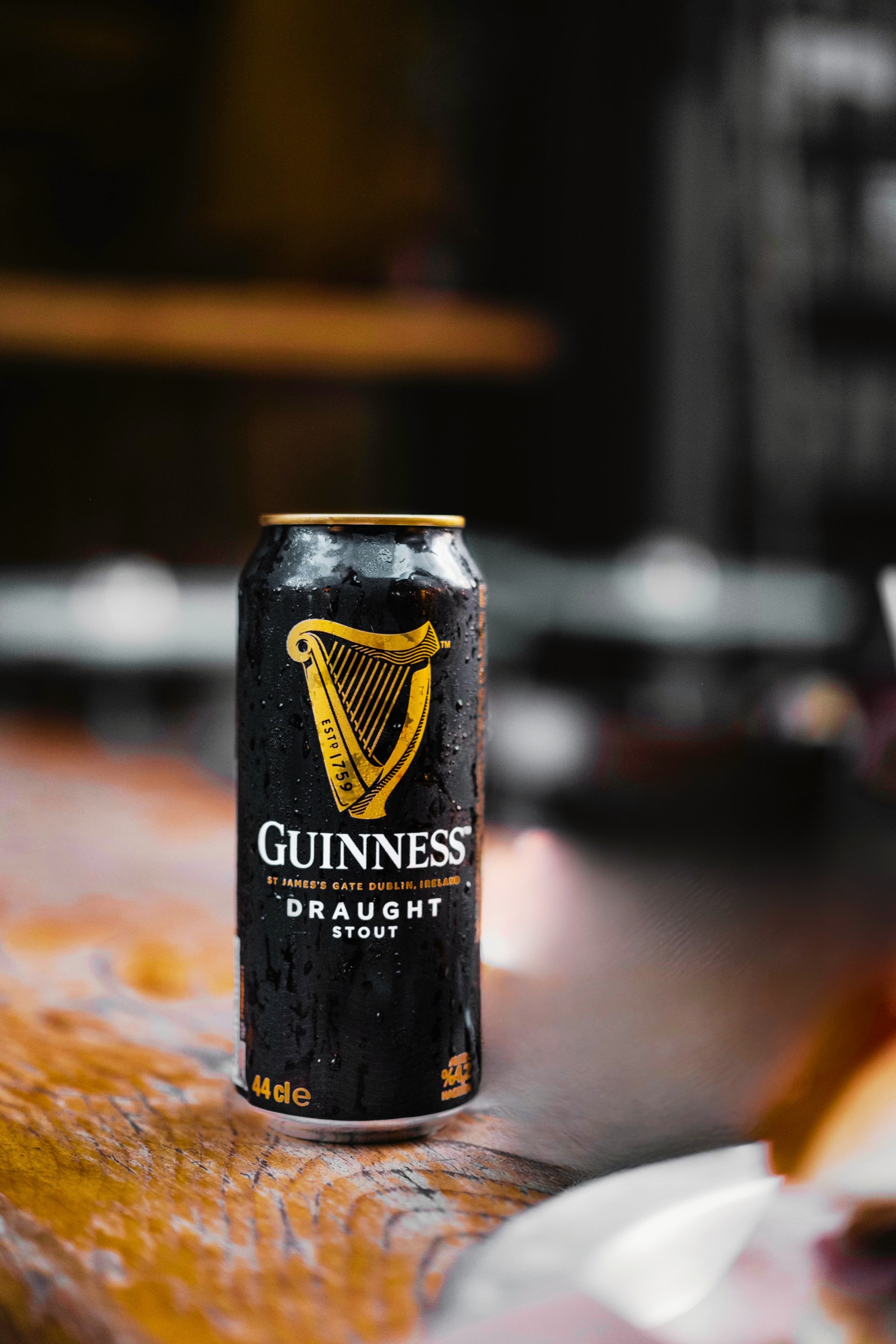
Guinness is Ireland's most famous stout, brewed at St. James's Gate in Dublin since 1759. Irish pub culture centers on the craic — conversation, laughter, music, and community. Unlike bars in many other countries, Irish pubs function as community gathering places. A proper pint of Guinness takes approximately 119.5 seconds to pour using the two-part pour method.
The black stuff is ruby in the light, and the pub is a social institution, not wallpaper shamrocks.

Guinness — The Black Stuff
Guinness is a dry stout brewed at St. James's Gate, Dublin, since 1759 when Arthur Guinness signed a 9,000-year lease. A proper pint takes 119.5 seconds to pour using the two-part method with nitrogen gas. Despite its dark appearance, Guinness contains fewer calories than most lagers and has an ABV of 4.2%.
Arthur Guinness's 9,000-year lease at St. James's Gate — £45 a year in 1759. Still brewing there.
Dry stout — deep ruby in light; creamy head from nitrogen, not CO₂ alone.
A proper pint takes time
- First pour — glass at 45°, fill ~¾, surge and settle ~90 seconds.
- Top off — backward tap pull, dome the head just above the rim.
Total ≈ 119.5 seconds — rushed pints break the physics.
The taste
Roasted barley, dry finish, lighter in calories than many expect, not "heavy" in the glass, though it is rich in flavor.
Guinness is a dry stout brewed at St. James's Gate, Dublin, since 1759 when Arthur Guinness signed a 9,000-year lease. A proper pint takes 119.5 seconds to pour using the two-part method with nitrogen gas. Despite its dark appearance, Guinness contains fewer calories than most lagers and has an ABV of 4.2%.
What Makes an Irish Pub an Irish Pub
Craic is conversation-first fun—banter and stories, not a choreographed show. The floor plan keeps the bar central and tables close, with snugs for quieter talk. Live music arrives as a session in the corner, players among listeners. Rounds and lingering pints cast the pub as Ireland's unofficial community hall.
The Craic
What's the craic? = what's alive in the room tonight?
The Snug
Semi-enclosed booth — historically private drinking; today intimate conversation.
Music
Corner sessions, not stadium gigs — do not clap between tunes; wait for the set.
The Round System
Everyone buys for the group in turn; skipping your round is remembered.
Iconic Irish Pubs
The Brazen Head, Dublin — license 1198; Bridge Street.
O'Donoghue's, Dublin. The Dubliners; folk revival hub.
Tigh Neachtain, Galway. Latin Quarter; steps from old Claddagh village life.
Morrissey's, Abbeyleix — pub and grocery, interior little changed.
Why Irish Pubs Exist Everywhere
Irish emigration spread pub culture worldwide: communities abroad rebuilt the familiar gathering room—pint, conversation, music. Estimates often cite about seven thousand Irish pubs outside Ireland, mixing diaspora-owned locals with themed interiors. Packaged fit-outs multiplied from the 1990s, yet the engine remains migration exporting Irish social habit, not decor alone.
Emigrants built the social model first; design firms later shipped whole bar fits globally.
From pub to hand
Galway pubs and Claddagh rings share the same city. If the pub is your Irish anchor, a ring quiz can match metal and motif.
Frequently asked questions
How long does it take to pour a pint of Guinness?
About 119.5 seconds for the classic two-part nitrogen pour.
What is the craic?
Fun, chat, atmosphere, the feel of the night.
What is the oldest pub in Ireland?
Often cited: The Brazen Head, Dublin — 1198 license.
Why is Guinness dark?
Roasted barley; hold it to the light for ruby.
What is the round system?
Rotating who buys drinks for the group — social glue.