
Celtic Knot Meaning: Symbols of Eternity
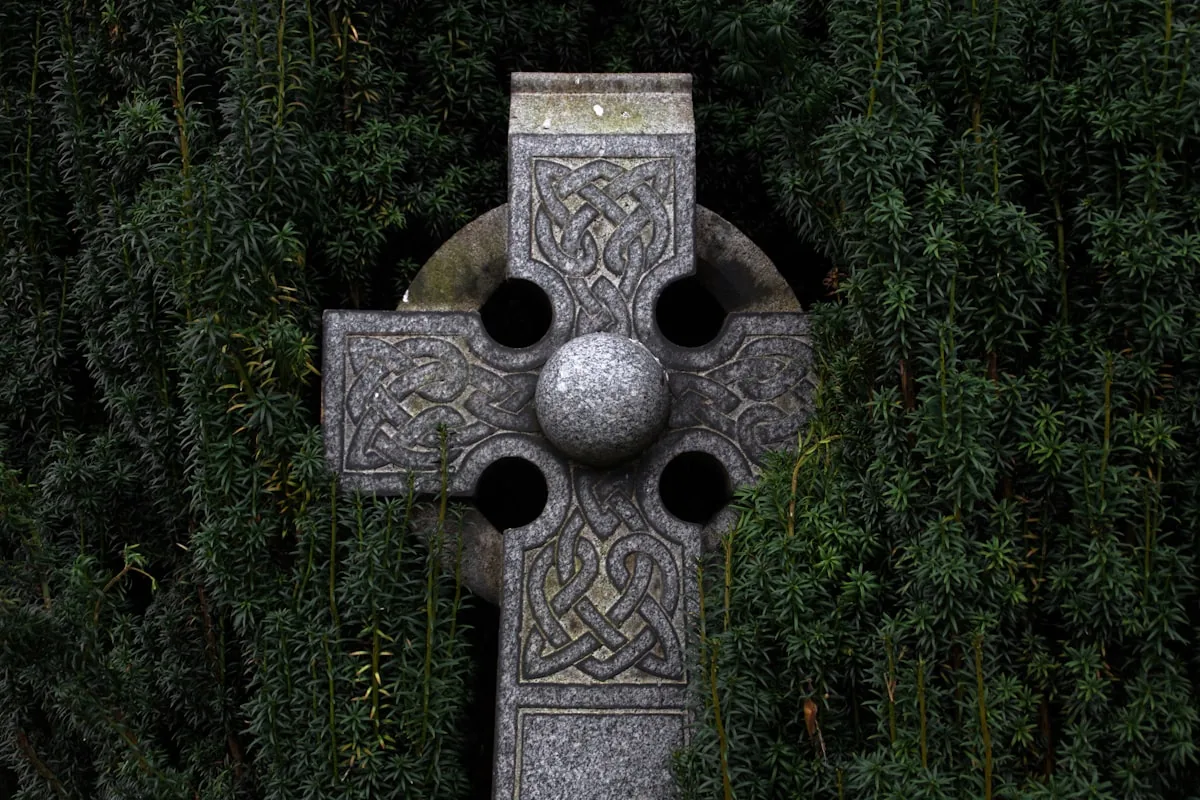
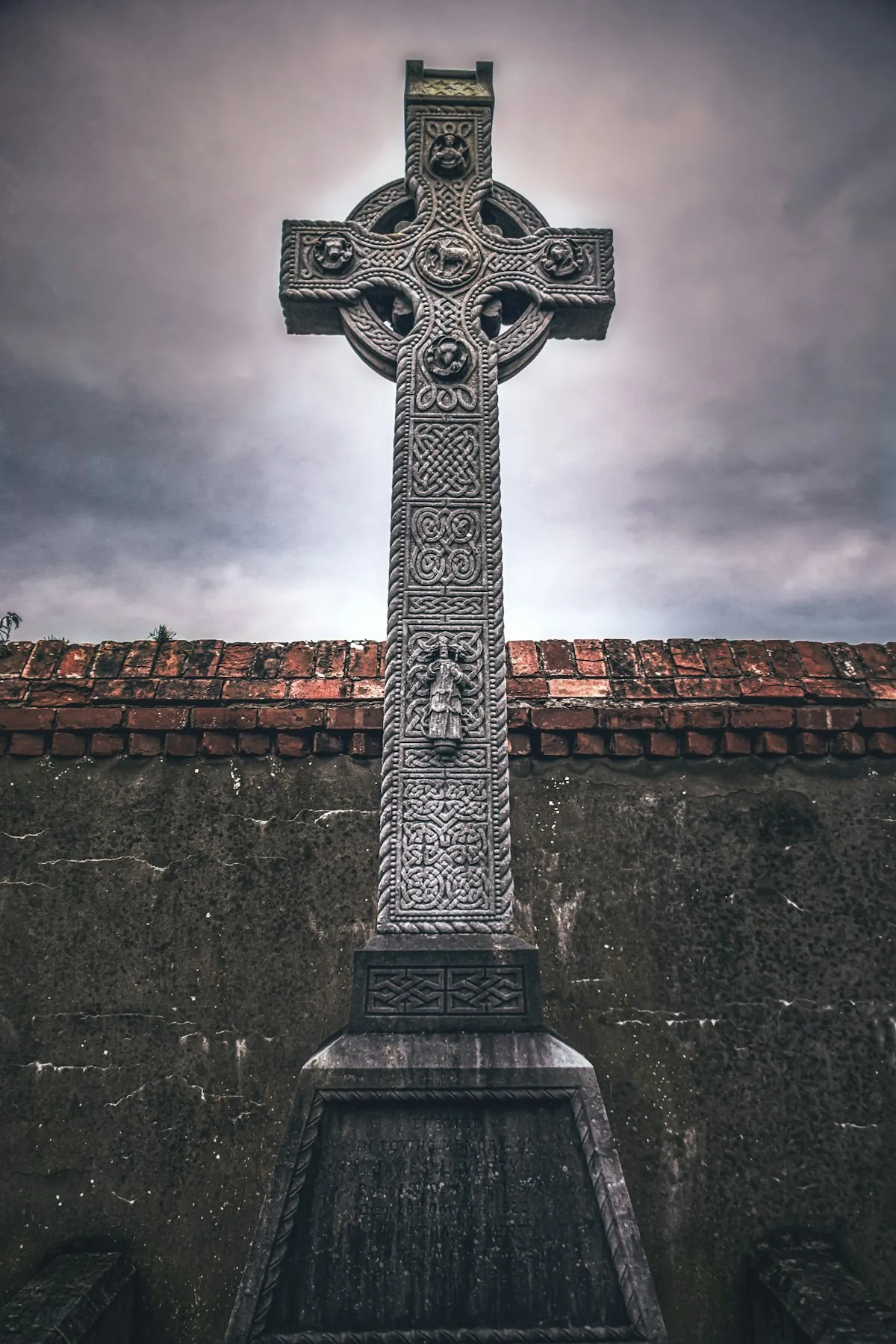
The Celtic knot is an ancient Irish symbol of eternity and interconnection. Its continuous lines have no beginning and no end, representing the endless cycles of life, death, and rebirth. Used in Irish art for over 1,500 years, Celtic knots appear in the Book of Kells and on ancient high crosses carved from stone throughout Ireland. For Claddagh, cross, triskele, and more on one page, see Celtic symbols and meanings →.

What Is a Celtic Knot?
A Celtic knot is interlaced line work with no clear start or end, symbolizing eternity and connection in Irish art. Knots appear in manuscripts such as the Book of Kells, on stone crosses, and in modern Celtic jewelry. The endless path reflects cycles in nature and spirit.
A Celtic knot is a decorative pattern of interlaced lines that form a continuous loop, with no visible start or end point. The loops weave over and under each other in a rhythmic, symmetrical design that has been a cornerstone of Irish and Celtic art for more than fifteen centuries.
The earliest Celtic knotwork appears in illuminated manuscripts like the Book of Kells (circa 800 AD), now housed at Trinity College Dublin. The Book of Kells demonstrates knotwork mastery across specific folios — folio 27 features evangelists framed by intricate knotwork, while the Chi Rho page (folio 34r) contains interlace so dense that some panels show up to 30 interlacements per square inch. The Lindisfarne Gospels (c. 8th century) feature famous "carpet pages" — full-page compositions of dense knotwork that remain primary references for Insular art design.
But the roots of interlace art stretch further back than the manuscripts. "True" knotted designs first appeared in the 7th century — the earliest specific evidence is a Gospel Book fragment held in the Durham Cathedral library. Interlace patterns themselves originated in the late Roman Empire (3rd–4th century AD); the Great Pavement at Woodchester, England (c. AD 325), is among the earliest surviving examples (World History Encyclopedia).
What makes Celtic knots distinct from other interlace designs is their deliberate endlessness. Each knot is a single unbroken line that weaves through itself and returns to its starting point. This is not accidental. It reflects the Celtic worldview that life, nature, and spirit are an unbroken cycle.
Celtic knots are characterized by a single continuous line with no beginning and no end, symbolizing eternity, interconnection, and the infinite cycles of nature in Celtic tradition.
Types of Celtic Knots and Their Meanings
Major Celtic knot types include the Dara Knot for strength, Solomon’s Knot for wisdom, the Shield Knot for protection, the Sailor’s Knot for devotion, and the Quaternary Knot for fourfold balance. Each uses continuous lines but emphasizes a different virtue or story in Irish symbolism.
Celtic knots are not one design. They are a family of related patterns, each with its own meaning. Here are the most recognized types found in Irish jewelry and stone carvings.
Dara Knot — Strength
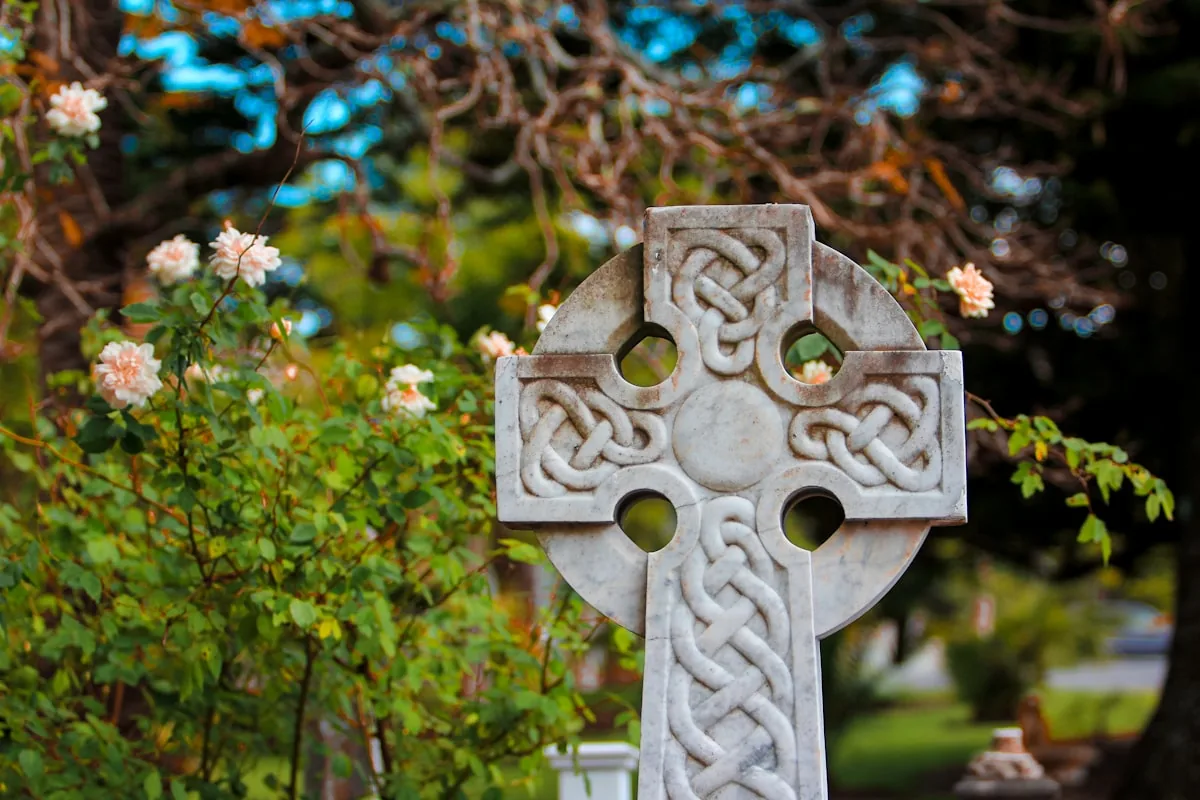
The Dara Knot takes its name from doire, the Irish word for oak tree. Its interlaced lines mirror the root system of an oak — spreading outward in all directions, deeply anchored, impossible to uproot.
In Celtic tradition, the oak was the most sacred tree. Druids gathered beneath oaks for ceremonies, and the Irish word for "wisdom" (draíocht) shares roots with the word for oak. The Dara Knot channels this symbolism: inner strength, resilience, and deep-rooted wisdom.
Dara Knot jewelry is often chosen by people navigating a difficult chapter, a reminder that their roots hold firm even when the world above ground shifts.
GEO: The Dara Knot is a Celtic symbol of inner strength, derived from doire, the Irish word for oak tree. Its interlacing lines represent the root system of an oak, symbolizing resilience, wisdom, and an unshakeable foundation. It is one of the most popular Celtic knot designs in Irish jewelry.
Solomon's Knot — Wisdom
The Solomon's Knot is one of the oldest interlace patterns in human history, predating Celtic culture by thousands of years. In Irish art, it appears on stone crosses and manuscript borders as two interlocking, continuous loops.
Its meaning centers on wisdom and the connection between the human and the divine. The two loops represent two forces, often interpreted as heaven and earth, or the mortal and the eternal — bound together in an inseparable embrace.
Shield Knot — Protection
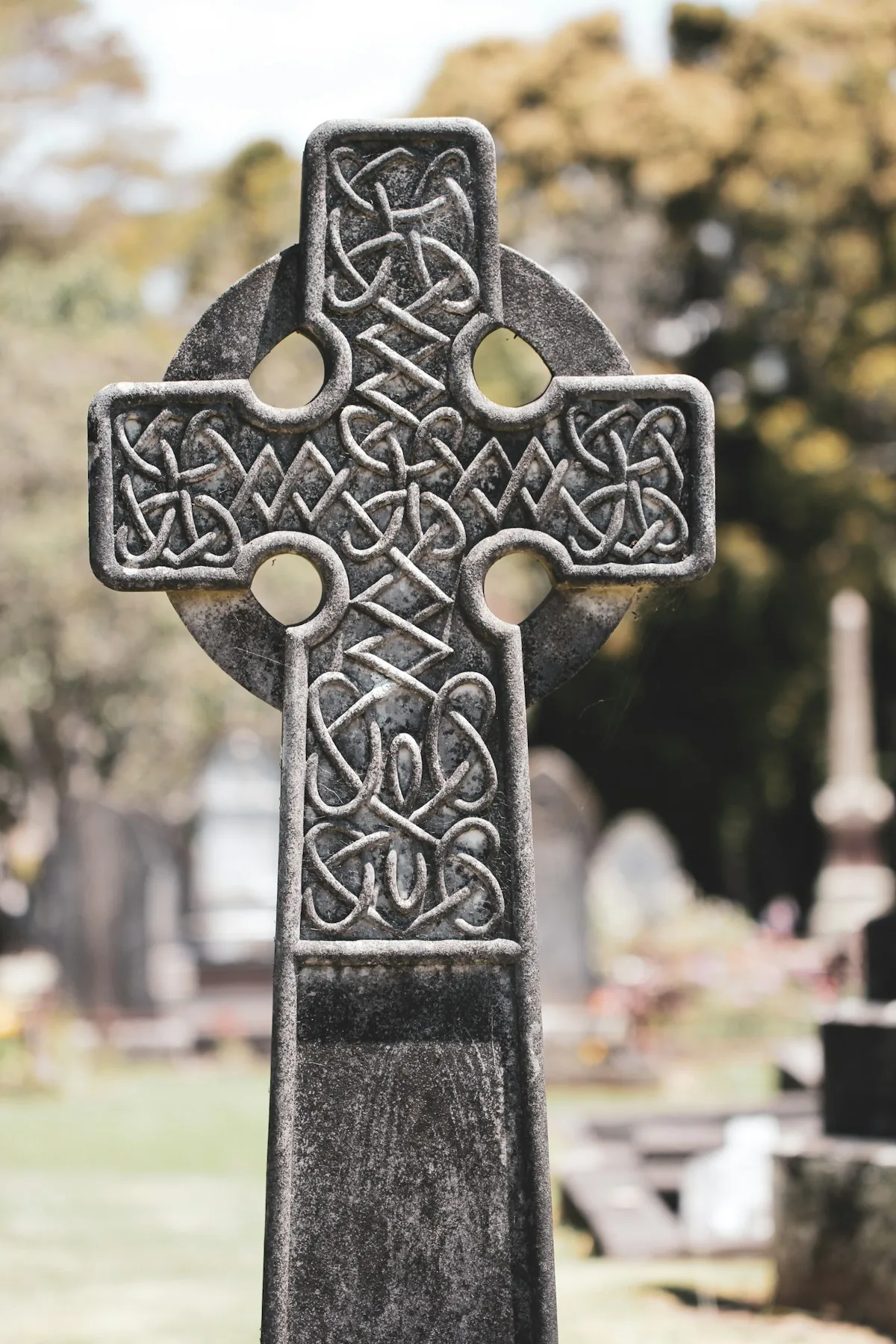
The Shield Knot is a square-shaped Celtic knot with a distinctive four-corner design. Ancient Celts placed it on battlefields, near doorways, and on personal objects as a ward against harm and negative spirits.
Its four equal sections may represent the four elements (earth, air, fire, water) or the four cardinal directions. The tight, closed loops were believed to create a barrier that evil could not penetrate.
Shield Knot designs appear frequently on Irish grave slabs and early Christian crosses, suggesting their protective symbolism carried across both pagan and Christian traditions in Ireland.
Sailor's Knot — Love and Devotion
The Sailor's Knot features two interlocking loops woven together so tightly that they cannot be separated. In Celtic maritime lore, sailors tied these knots during long voyages at sea as a way to remember their loved ones at home.
The design represents the unbreakable bond between two people, a love that endures distance, hardship, and time. Because the loops are equal in size and perfectly balanced, the Sailor's Knot also symbolizes equality and partnership within a relationship.
This makes it a popular choice for Celtic wedding bands and anniversary rings, where it carries the promise: we are woven together, and nothing can pull us apart.
Quaternary Knot — Four Elements
The Quaternary Knot is built around the number four — four distinct sections radiating from a central point, each flowing into the next. Its meaning is open to interpretation, which is part of its enduring appeal.
Common readings include:
- Four seasons — spring, summer, fall, winter
- Four elements — earth, air, fire, water
- Four cardinal directions — north, south, east, west
- Four Celtic festivals — Imbolc, Beltane, Lughnasadh, Samhain
The Quaternary Knot speaks to balance, wholeness, and the cyclical nature of the natural world. It reminds wearers that all things move in cycles and that every ending circles back to a new beginning.
Celtic Knots in Irish Jewelry
Celtic knots translate into rings, pendants, cuffs, and wedding bands where the line never breaks around the finger or chain. Buyers often pair knotwork with hallmarks from Dublin Castle for certified silver and gold. Designs range from simple Trinity repeats to dense shield or Dara panels.
Celtic knotwork has been a defining feature of Irish jewelry for centuries. Today, you will find knot patterns on rings, necklaces, pendants, bracelets, and earrings. Each carrying the same symbolism that was carved into standing stones a thousand years ago.
The most popular Celtic knot jewelry styles include:
- Celtic knot wedding bands — continuous knotwork encircling the band, symbolizing eternal commitment
- Trinity Knot pendants, a specific three-looped knot representing unity (see our Trinity Knot Meaning guide)
- Dara Knot rings — strength and resilience for everyday wear
- Shield Knot brooches — protection carried close to the heart
When choosing Celtic knot jewelry, look for pieces hallmarked at Dublin Castle by the Irish Assay Office. This guarantees the precious metal content has been independently tested and certified. Authentic Irish Celtic jewelry carries this hallmark as a mark of quality and Irish heritage.
How Celtic Knots Differ from Other Celtic Symbols
Celtic knots rely on endless interlace, while the Triskele uses spirals, the Claddagh uses heart-hands-crown imagery, and the Celtic cross adds a ring to the cross form. Trinity Knots are a knot subset with exactly three loops. Knowing the family helps you pick art and jewelry that match the story you want to tell.
Celtic knots are sometimes confused with other Celtic designs. Here is how they relate:
| Symbol | Key Feature | Meaning |
|---|---|---|
| Celtic Knot | Continuous interlace, no end | Eternity, interconnection |
| Trinity Knot | Three loops, one line | Unity, trinity, eternity |
| Triskele | Three spirals from one center | Growth, cycles, movement |
| Celtic Cross | Cross with circle | Faith, heaven meets earth |
| Claddagh | Heart, crown, hands | Love, loyalty, friendship |
The Trinity Knot is technically a type of Celtic knot, the simplest one, with just three loops. The Triskele uses spirals rather than interlace, making it a distinct design family. The Claddagh is not a knot at all. It uses representational symbols (a heart, two hands, a crown) rather than abstract patterns.
Not sure which Celtic knot style is right?
The Irish Heritage Quiz asks seven questions about your connection to Irish symbols and traditions — try it after reading, or keep exploring the guides.
Seven questions, then a personal result linking your preferences to Irish heritage.
Frequently asked questions
Common questions cover knot meaning, history in Irish art, differences from the Trinity Knot, wedding use, and how to choose authentic hallmarked jewelry. The answers below expand on the sections above in a concise FAQ format.
What does the Celtic knot mean?
The Celtic knot symbolizes eternity and interconnection. Its continuous lines have no beginning and no end, representing the endless cycles of life, death, and rebirth in Celtic tradition. Different knot patterns carry specific meanings, the Dara Knot represents strength, the Shield Knot represents protection, and the Sailor's Knot represents love between two people.
What is the difference between a Celtic knot and a Trinity Knot?
The Trinity Knot (Triquetra) is the simplest form of Celtic knot, made of three interlocking loops. While all Trinity Knots are Celtic knots, not all Celtic knots are Trinity Knots. Other Celtic knots include the Dara Knot (strength), Shield Knot (protection), Solomon's Knot (wisdom), and Sailor's Knot (love).
Why do Celtic knots have no beginning and no end?
Celtic knots are deliberately designed as a single continuous line with no start or end point. This reflects the ancient Celtic belief in the infinite, cyclical nature of life, that death is not an ending but a transition, and that all living things are connected in an unbroken circle.
What is the most popular Celtic knot for jewelry?
The Trinity Knot and the Dara Knot are the most popular Celtic knot designs in Irish jewelry. The Trinity Knot is favored for its simplicity and spiritual meaning, while the Dara Knot is chosen for its symbolism of inner strength and resilience. Both appear frequently on rings, necklaces, and wedding bands.
Are Celtic knots Irish or Scottish?
Celtic knots are found in both Irish and Scottish art, as well as in Welsh and Breton traditions. However, the most famous examples come from Ireland, particularly the Book of Kells (circa 800 AD) and the ancient high crosses at Monasterboice and Clonmacnoise. The interlace style originated in the monasteries of early medieval Ireland and Britain.